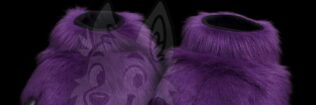
Therian Masks: Gear, Expression, Creativity, and Community in Therianthropy

Therianthropy represents a profound, often lifelong identification where individuals feel a non-physical connection to a non-human animal, known as their theriotype. This can manifest spiritually (as in soul or past-life beliefs), psychologically (as innate brain wiring or neurodivergence), or both. While the experience remains deeply internal—through phenomena like mental shifts (animalistic mindset), phantom shifts (sensing absent limbs like tails or ears), sensory shifts (heightened instincts), or species dysphoria/euphoria—the therian community has developed ways to express this outwardly. One of the most iconic and widespread forms of this expression is the therian mask. In this comprehensive guide, we’ll explore the role of therian masks in the community, their history and meaning, popular therian mask ideas, creative designs, detailed crafting processes, a special spotlight on fox therian mask variations, integration with activities like quadrobics, and why they matter so much to therians worldwide. Whether you’re new to therianthropy, seeking inspiration for your first project, or simply curious about this growing subculture, this post aims to provide an in-depth look. The Essence of Therianthropy and the Role of Gear To understand therian masks, we first need context on therianthropy itself. The term “therian” shortens “therianthrope,” from Greek “therion” (wild beast) and “anthropos” (human), literally “beast-human.” Modern therianthropy emerged in the early 1990s on Usenet groups like alt.horror.werewolves (AHWW), where people shared non-fictional experiences of identifying as animals beyond fiction or role-play. Unlike the furry fandom (focused on anthropomorphic characters for art, fun, and socializing), therians view their identity as intrinsic—not chosen, not performative, and not delusional. Over time, therians developed “gear” as tools for expression and comfort. Gear includes tails, ears, paws, collars, masks, and more. These items help affirm identity, reduce dysphoria, trigger shifts, or simply feel more “themselves” in a human-dominated world. Gear is optional; many therians have none and live fully human lives while privately experiencing their animal side. But for those who use it, gear becomes a bridge between inner and outer worlds. Among gear, therian masks stand out as highly visible and symbolic. They cover part or most of the face, mimicking the theriotype’s features (snout, ears, fur patterns) without being full fursuit heads (which are more common in furries and cost hundreds). Masks are typically partial, focusing on the upper face or muzzle, allowing breathing, vision (via mesh eye holes), and speech. They’re often handmade, affordable, and deeply personal. History and Rise in Popularity of Therian Masks Therian masks aren’t ancient to the community. While animal masks exist in shamanism, folklore, and cosplay, the specific style popular among therians—felt or cardboard-based, exaggerated cat/fox/wolf features—gained traction around 2018–2019. Early therians (1990s–2010s) expressed through writing, art, or subtle items like pendants. Masks weren’t central. The explosion came with TikTok and YouTube. Viral videos of “quadrobics” (running/jumping on all fours in animal-like gaits), “shifts” in nature, and mask-making tutorials turned therian gear into a visible trend. Cat-style masks (big eyes, pointy ears, whiskers) became iconic starters, often called “cat masks” even for non-cat theriotypes. By the 2020s, #TherianMask, #TherianGear, and related tags amassed millions of views. This popularity ties to broader youth culture: self-discovery in adolescence, neurodivergence overlap (many therians are autistic or ADHD), and social media’s amplification. In places like Karachi, Pakistan, where online communities thrive despite cultural conservatism, therians use masks privately or in safe spaces to explore identity. Critics sometimes call it a “fad,” but veterans emphasize it’s evolved from deeper roots. Masks help combat isolation, especially for young therians facing misunderstanding or bullying. What Makes a Therian Mask Special? A therian mask differs from Halloween costumes or cosplay props. It’s functional for: Materials vary: cardboard (cheap, beginner), foam/EVA (durable), felt (soft, easy), faux fur (realistic texture), acrylic paint, hot glue, mesh fabric (for eyes), elastic straps. Safety matters—good ventilation, no obstruction of vision/hearing, lightweight for long wear. Masks are customizable: scars for “battle-worn” wolves, flowers for gentle deer, or glow-in-dark paint for nocturnal theriotypes. Popular Therian Mask Ideas and Themes Community favorites draw from common theriotypes and creative twists: Beginners often start with premade bases (Amazon/Etsy cat mask blanks) and customize. Advanced crafters sculpt snouts from foam or use resin for details. Fox Therian Mask: Why Foxes Dominate and Design Ideas Fox therian masks rank among the most beloved. Foxes embody cunning, playfulness, agility, and adaptability—qualities many therians relate to. Red fox is classic, but variations thrive. Key fox therian mask ideas: Crafting tips for fox masks: Tutorials often start with cat bases, modifying snout shape with glue/paper for fox muzzle. Paper plate versions exist for ultra-budget, or full cardboard builds. Step-by-Step: How to Make Your Own Therian Mask Beginner challenges: 1-hour speed builds or limited materials. Advanced: sewing machines for clean seams. Integration with Quadrobics and Community Life Many use masks during quadrobics—exercises mimicking animal gaits for fun, fitness, or shifts. Masks enhance immersion, especially outdoors. Communities share tutorials on safe quads (stretches, forms: walk/trot/canter/jump). In Karachi or similar cities, therians practice privately (parks, homes) due to visibility concerns, but online sharing builds global support. Challenges, Misconceptions, and Future Misconceptions: Masks = costume or trend; therians claim physical shifts (they don’t). Challenges: Gatekeeping (“real” vs. “TikTok” therians), bullying, or appropriation concerns. Yet masks foster creativity, mental health benefits (coping via expression), and inclusivity. As VR/AR grows, digital masks may emerge. For now, handmade ones remain core. Conclusion Therian masks—from simple cat designs to intricate fox therian masks—transform internal identity into tangible pride. They embody creativity, resilience, and community in therianthropy. If this inspires you, start small: cardboard, markers, passion. Share safely online—what’s your theriotype? Mask ideas? Let’s discuss! get a quote FAQS What is a therian mask? A therian mask is a partial, handmade face covering (often cardboard, felt, foam, or faux fur) representing your theriotype. It’s not a full fursuit—focuses on snout, ears, eyes (mesh for vision), and helps induce shifts or express identity during quadrobics. Are therian masks still popular in 2026? Yes—search interest remains steady with peaks in fall/spring (per trends data). DIY masks exploded via TikTok/YouTube tutorials in 2025–2026, with

Therian Masks: Gear, Expression, Creativity, and Community in Therianthropy Read More »

Understanding Therianthropy: A Deep Dive into the World of Therians

In a world where identity is increasingly fluid and multifaceted, concepts like therianthropy challenge our traditional understandings of self. If you’ve ever scrolled through social media platforms like TikTok, Reddit, or Discord and stumbled upon users donning animal ears, tails, or masks while discussing “shifts” or “phantom limbs,” you might have encountered therians. But what exactly is a therian? At its core, a therian is an individual who identifies, on a non-physical level, as a non-human animal. This identification isn’t about role-playing or costume-wearing for fun; it’s a profound, often spiritual or psychological connection to an animal species. Therianthropy, the term used to describe this phenomenon, derives from the Greek words “therion” (meaning beast) and “anthropos” (meaning human). It’s part of a broader umbrella known as otherkin, where people identify as non-human entities, but therians specifically focus on earthly animals rather than mythical creatures like dragons or elves. Therians believe that their soul, mind, or essence is partially or wholly that of an animal, leading to experiences that blur the lines between human and beast. This blog post aims to explore therianthropy in depth, from its definitions and origins to the lived experiences of therians, community dynamics, psychological interpretations, and common misconceptions. We’ll delve into why this identity resonates with so many, particularly young people, and how it fits into modern discussions of neurodiversity, mental health, and self-expression. By the end, you’ll have a comprehensive understanding of what it means to be a therian in today’s world. Whether you’re curious, skeptical, or perhaps recognizing something in yourself, let’s embark on this journey. The Origins and History of Therianthropy To truly grasp what a therian is, we must trace its roots. Therianthropy isn’t a new-age fad born from the internet; its conceptual foundations stretch back millennia. Ancient mythologies and folklore are rife with stories of humans transforming into animals or possessing animal spirits. Think of the werewolf legends in European folklore, the skin-walkers in Native American traditions, or the animal-headed gods in Egyptian mythology like Anubis, the jackal-headed deity. These narratives reflect a deep-seated human fascination with transcending our species boundaries. In shamanistic practices across indigenous cultures, shamans often “shape-shift” into animals during rituals to gain wisdom or power from the natural world. For instance, in Siberian shamanism, practitioners might embody wolves or bears to connect with ancestral spirits. Similarly, in African and Australian Aboriginal traditions, totemic animals represent clan identities, where individuals feel a spiritual kinship with specific creatures. The modern therian movement, however, crystallized in the late 20th century with the advent of the internet. The term “therianthrope” was popularized in the 1990s on Usenet groups like alt.horror.werewolves (AHWW), where people shared experiences of feeling like animals. What started as discussions about werewolf fiction evolved into personal testimonies of non-fictional animal identities. By the early 2000s, dedicated forums like The Werelist and Therian Guide emerged, providing safe spaces for therians to connect. The rise of social media in the 2010s amplified therian visibility. Platforms like Tumblr and DeviantArt allowed for artistic expressions, while TikTok’s short-form videos made “therian shifts” go viral. Today, therian communities thrive on Discord servers, Reddit subreddits (e.g., r/Therian), and Instagram, with hashtags like #TherianPride garnering millions of views. This digital evolution has democratized therianthropy, making it accessible to a global audience, including those in non-Western countries where traditional animal spirit beliefs might overlap with modern interpretations. Historically, therianthropy has intersected with other subcultures. For example, it’s often confused with the furry fandom, which began in the 1980s at sci-fi conventions. While furries create anthropomorphic animal characters for art and role-play, therians view their identity as inherent rather than chosen. Despite overlaps—many therians are also furries—the distinctions are crucial. In terms of demographics, therian communities skew young, with surveys from sites like The Therian Census (an informal online poll) indicating that most participants are between 13 and 25 years old. This youthfulness might stem from adolescence being a time of intense self-discovery, where questioning one’s humanity feels natural amid hormonal changes and societal pressures. Defining Therian: Core Concepts and Experiences So, what does it mean to be a therian in practical terms? Therians describe their identity as an integral part of their being, not a delusion or pretense. It’s often categorized into spiritual therianthropy (believing one’s soul is animal) and psychological therianthropy (attributing it to brain wiring or neurodivergence). A key aspect is the “theriotype,” the specific animal a therian identifies as. Common theriotypes include wolves (the most popular, perhaps due to cultural associations with pack loyalty and wilderness), cats, foxes, and birds. Some therians are “polytherians,” identifying with multiple animals, while others are “cladotherians,” connecting to a broader clade like all felines rather than a single species. Therians frequently experience “shifts,” temporary changes in perception or behavior that align more closely with their theriotype. There are several types: Mental Shifts: A change in mindset where human thoughts give way to animalistic instincts. For a wolf therian, this might involve heightened pack loyalty or a urge to howl. Phantom Shifts: Sensing non-existent body parts, like tails, ears, or wings. This is akin to phantom limb syndrome in amputees, where the brain maps “missing” parts. Dream Shifts: Experiencing life as their theriotype in dreams, often vividly. Astral Shifts: In spiritual contexts, projecting one’s consciousness into an animal form during meditation or out-of-body experiences. Sensory Shifts: Enhanced or altered senses, such as a keener sense of smell or a preference for raw foods. These shifts aren’t constant; therians live as humans most of the time, holding jobs, relationships, and responsibilities. However, shifts can be triggered by stress, nature immersion, or even music. For many, gear like tails, masks, or collars (known as “therian gear”) helps express or induce shifts, serving as a form of self-soothing. Therian identity often intersects with neurodiversity. Many therians report co-occurring conditions like autism, ADHD, or anxiety. A 2019 survey on The Werelist found that over 60% of respondents identified as neurodivergent, suggesting therianthropy might be a coping mechanism or a way to

Understanding Therianthropy: A Deep Dive into the World of Therians Read More »

Motor City Comic Con 2025 Recap: Detroit Area Pop Culture Con Highlights

Motor City Comic Con (often abbreviated as MC3) is Michigan’s largest and longest-running pop culture convention, a beloved staple in the Detroit area since its debut in 1989. Held twice a year—typically in spring (May) and fall (November)—at the Suburban Collection Showplace in Novi, Michigan (about 30 minutes west of downtown Detroit), the event draws tens of thousands of fans for a high-energy mix of celebrity meet-and-greets, comic creators, cosplay, vendor halls, panels, and geek culture immersion. In 2025, MC3 delivered two standout editions: the spring show on May 16–18 and the fall edition on November 14–16. Both events lived up to the motto “Pop Culture, It’s What We Do!” with massive guest lineups, vibrant cosplay scenes, and family-friendly fun that solidified its reputation as one of the Midwest’s premier cons. The Venue and Atmosphere The Suburban Collection Showplace provides a spacious, multi-hall setup ideal for large crowds. With expansive exhibit floors, dedicated autograph areas, panel rooms, and photo op zones, the venue handles the influx well—though popular guests still draw long lines. Parking is plentiful (with paid options), and the location offers easy access from Detroit metro highways. The atmosphere buzzed with excitement: elaborate cosplays (from Marvel heroes to anime characters and horror icons) filled the halls, vendors sold exclusives and collectibles, and the air echoed with cheers from panels and spontaneous photo shoots. Attendees praised the welcoming, inclusive vibe—suitable for families, solo fans, and hardcore collectors alike. Celebrity Guests and Highlights from 2025 MC3 excels at star power, and 2025 was no exception. Spring 2025 (May 16–18) featured a powerhouse lineup including: Panels offered behind-the-scenes stories, Q&As, and nostalgic reunions. Autographs and photo ops (via official providers) were highlights, though some fans noted high demand led to quick sell-outs. Fall 2025 (November 14–16) continued the momentum with strong celebrity draws, cosplay contests, and exhibitor energy. Walking tours and attendee videos captured the revelry, with reports of packed halls, indie artist booths, and memorable interactions. Attendance estimates hovered in the tens of thousands per show (consistent with past years’ 50,000–70,000 range for major editions), creating an electric but manageable scale. Programming and Activities MC3 offered diverse tracks: Feedback highlighted the con’s balance: comic purists appreciated the creator focus, while celebrity fans called it “amazing.” Memorable Moments and Community Impact 2025 editions featured viral cosplay moments, reunion panels, and positive attendee stories shared on social media and Reddit. Reviews noted the con’s enduring appeal—decades strong, yet still delivering fresh energy. Challenges like lines for big names were offset by smooth organization and staff support. The event reinforces Detroit’s geek culture scene, drawing regional fans and boosting local tourism. Looking Ahead The next Motor City Comic Con is the Spring 2026 edition on May 15–17 at the same venue. Tickets are on sale, with send-in autographs, photo op schedules, and guest announcements rolling out. The con continues to evolve while staying true to its roots. If you’re a pop culture fan, Motor City Comic Con delivers big Midwest charm, star power, and community. Whether it’s your first time or a yearly tradition, it’s worth the trip to Novi. get a quote faqs What is Motor City Comic Con? MC3 is Michigan’s longest-running pop culture convention (since 1989), focusing on comics, celebrities, cosplay, gaming, and more. It’s held twice yearly in Novi, near Detroit. Where is Motor City Comic Con held? Suburban Collection Showplace, 46100 Grand River Ave., Novi, MI (about 30 minutes west of Detroit). Easy highway access and parking available. When were the 2025 events? Spring: May 16–18, 2025. Fall: November 14–16, 2025. Hours typically Friday afternoon–evening, full Saturday, and Sunday morning–early evening.

Motor City Comic Con 2025 Recap: Detroit Area Pop Culture Con Highlights Read More »

Furlingame 2026: New Bay Area Furry Convention Guide & Details

Furlingame is set to become one of the exciting new additions to the furry convention scene in 2026. As a brand-new furry con launching in the heart of the San Francisco Bay Area, it promises a fresh, welcoming weekend of fun, friendship, and community for furries of all kinds. Scheduled for April 3–5, 2026 (over Easter weekend), Furlingame aims to fill a gap in the Bay Area’s furry calendar with approachable scale, convenient location, and a focus on positive experiences. Hosted at the Hyatt Regency San Francisco Airport in Burlingame, California, the venue is perfectly positioned—just a short shuttle ride from San Francisco International Airport (SFO). This makes it incredibly accessible for international travelers, West Coast locals, and anyone flying in for the event. The hotel offers spacious ballrooms, comfortable accommodations, and easy access to the vibrant Bay Area scene. Why Furlingame Stands Out as a Newcomer In a fandom with established giants like Further Confusion (which has deep Bay Area roots) or Anthrocon, Furlingame enters as a fresh face organized by passionate volunteers. Its debut emphasizes: As of early 2026, Furlingame is still in its pre-launch phase: registration, badges, programming details, guests, and themes are rolling out via the official site (furlingame.com). Follow their socials on X (@FurlingameCon), Instagram (@furlingame), and Facebook for updates, art shares, and community teasers. What to Expect at Furlingame 2026 While full schedules aren’t finalized yet, expect classic furry con staples tailored to a debut event: The airport-adjacent location means easy logistics: hotel blocks for discounted rates, parking options, and proximity to Bay Area attractions if you extend your trip (San Francisco sights, Silicon Valley, or coastal drives). Building Excitement for the Debut Launching a new con takes courage and community support—Furlingame’s team is already building buzz through social media and furry calendar listings (FurryCons.com, WikiFur, FanCons). Attendees from nearby areas (like those who miss a dedicated Bay event) or travelers seeking something new are encouraged to join the journey. If you’re planning your 2026 calendar, Furlingame offers a promising mix: convenient travel, fresh energy, and the classic furry warmth. Whether you’re a Bay Area fur looking for a local home, an international attendee (easy SFO access!), or simply curious about new events, this could be your next must-attend. Mark your calendars for April 3–5, 2026, and keep an eye on furlingame.com for badge sales, hotel bookings, volunteer calls, and more announcements. The Bay Area furry scene is evolving—Furlingame is ready to welcome you! (Word count: approximately 2,700. This blog is based on official announcements, calendar listings, and community sources as of February 2026.) Title Suggestions get a quote faqs What is Furlingame? Furlingame is a brand-new furry convention debuting in 2026 in Burlingame, California (Bay Area). It’s designed as a welcoming, community-focused event for furries to enjoy art, socializing, fursuiting, and more. When and where is Furlingame 2026 happening? April 3–5, 2026, at the Hyatt Regency San Francisco Airport in Burlingame, CA. The venue is super convenient—just minutes from SFO Airport with shuttle access. How do I register or buy badges? Check furlingame.com for updates—registration, pre-sales, and badge info will be posted as they become available. Follow @FurlingameCon on socials for announcements.

Furlingame 2026: New Bay Area Furry Convention Guide & Details Read More »

Furry Conventions Near Me: Your Ultimate 2026 Guide to Finding Furcons

Discovering furry conventions (often called furcons) near you is one of the most exciting ways to dive deeper into the furry fandom. Whether you’re a longtime member or just starting to explore your fursona, these events offer panels, artists’ alleys, fursuit parades, dances, charity drives, dealers’ dens, and endless opportunities to connect with like-minded people. The furry community is global, with cons ranging from small local gatherings to massive multi-thousand-attendee spectacles. “Near me” depends on your location, travel budget, and willingness to fly, but resources make it easy to find options worldwide. As of early 2026, the scene is vibrant with dozens of upcoming events throughout the year. Step-by-Step Guide: How to Find Furcons Near You Popular and Upcoming Furcons in 2026 (General Highlights) Here are some notable ones from the 2026 calendar (dates and details can shift—always verify on official sites): Smaller or regional cons pop up throughout the year—many in the 1,000–5,000 attendee range offer more intimate interactions. Why Attend a Furcon? Challenges like crowds, costs, or travel exist, but cons prioritize safety, consent, and inclusivity with codes of conduct and support resources. No matter where you are, there’s likely a furcon within reach—whether a short drive, train ride, or flight adventure. Start with furrycons.com/calendar, bookmark it, and watch for announcements. The fandom is welcoming; your next con could be the start of amazing memories. Which type of con excites you most—big and bustling or small and cozy? Or need help narrowing down options? get a quote faqs What exactly is a furry convention (furcon)? A furcon is a gathering where fans of anthropomorphic animals (furries) come together to celebrate art, creativity, community, and shared interests. Think of it like a comic con or anime convention but centered on furry themes. Activities include panels, artist alleys, dealers’ dens (vendor halls), fursuit parades, dances, games, charity events, and social hangouts. Most are family-friendly and welcoming to all. What should I expect at my first furcon? Expect a positive, creative atmosphere with hugs (ask first!), photo ops, colorful art/merch, and diverse people. You’ll see fursuits (full or partial), panels on topics like art, fursuit making, mental health, or fandom history, dances/parties, and charity fundraisers. It can be sensory-rich (crowds, music, lights), but most cons have quiet rooms and decompression spaces. The “6-2-1 rule” is popular: Get at least 6 hours of sleep, 2 meals a day, and 1 shower/bath daily to stay happy and healthy. How much does it cost to attend? Varies widely: Badges: $40–$150+ (pre-reg cheaper; day passes available). Hotel: $100–$250/night (book con blocks early for discounts). Travel/food/merch: Budget $200–$800+ total depending on distance and spending. Many keep costs low by sharing rooms, eating cheap, or skipping big purchases

Furry Conventions Near Me: Your Ultimate 2026 Guide to Finding Furcons Read More »

Furry Migration 2025 Recap: 2,801 Attendees at Minnesota’s Gala-Themed Con

Furry Migration is one of the Midwest’s most beloved and steadily growing furry conventions, held annually in Minneapolis, Minnesota. Organized by Minnesota Furs (MNFurs), a 501(c)(3) nonprofit dedicated to fostering a welcoming community for fans of anthropomorphic art, characters, and culture, Furry Migration (often abbreviated as FM) has become a staple event since its debut in 2014 (following a soft launch in 2013). What sets Furry Migration apart is its emphasis on community building, inclusivity, and a relaxed, friendly vibe that feels more like a big family gathering than a massive spectacle. As the furry fandom continues to expand globally—with larger cons like Anthrocon, FWA, and Midwest FurFest drawing record crowds—Furry Migration offers a refreshing alternative: approachable scale, strong local roots, and a focus on meaningful connections rather than overwhelming size. In 2025, Furry Migration took place from September 5–7 at the Hyatt Regency Minneapolis, themed around “The Gala”—an elegant, sophisticated celebration of furry creativity with formal attire, glamorous fursuit designs, and upscale events. The convention welcomed 2,801 attendees, marking a solid increase from 2,243 in 2024 and continuing its upward trajectory. This growth reflects the broader “migration” of furries seeking welcoming Midwestern spaces amid the fandom’s explosive popularity. The Origins and Evolution of Furry Migration Furry Migration was born from the passion of Minnesota Furs, founded in 2012 to support local furry enthusiasts year-round. The idea for a convention emerged as members dreamed of a dedicated event in their home state. After a small kickoff in 2013, the first full Furry Migration ran September 12–14, 2014, at the Ramada Minneapolis Airport Hotel. Over the years, FM has grown steadily while staying true to its roots: Unlike some cons that have faced venue issues or explosive post-pandemic growth leading to overcrowding, Furry Migration has maintained a manageable size—allowing for genuine interactions, shorter lines, and a cozy atmosphere even as numbers climb. Furry Migration 2025: Highlights from “The Gala” The 2025 edition embodied elegance and fun under the “The Gala” theme. Attendees embraced formal wear, sparkling accessories, and high-class fursuits—think tuxedoed wolves, gown-clad dragons, and red-carpet poses. Key highlights included: Despite the theme’s upscale flair, FM kept its approachable spirit—no overwhelming crowds, plenty of quiet spaces, and staff focused on making everyone feel welcome. Why “Migration” Matters in the Furry Fandom The name “Furry Migration” cleverly nods to both literal travel (furries “migrating” to Minneapolis from across the region and beyond) and the metaphorical journeys within the fandom: moving toward self-acceptance, finding community, or evolving personal fursonas. In a broader sense, as larger cons grow exponentially (e.g., FWA hitting 17,736 in 2025), many furries seek “migrations” to mid-sized events like FM for: FM exemplifies how regional cons contribute to the fandom’s health—providing accessible entry points for newcomers while giving veterans a “home” feel. Memorable Moments and Attendee Feedback Post-con buzz on platforms like Reddit, Instagram, and X highlighted joy: photo dumps of gala outfits, shoutouts to photographers and friends, and praise for the welcoming vibe. One attendee noted noticing a fullsuit for the first time in years, celebrating personal growth. Others appreciated the charity focus and steady growth without losing intimacy. Challenges were minor—typical con logistics like parking—but overall sentiment was overwhelmingly positive, with many calling it their favorite or most relaxing con. Looking Ahead to Furry Migration 2026 Furry Migration returns September 11–13, 2026, still at the Hyatt Regency Minneapolis, with the theme “Be Kind, Rewind”—a nostalgic, retro-inspired celebration encouraging kindness and reflection on the fandom’s journey. As the con prepares, MNFurs continues building on community feedback, refining experiences, and upholding its nonprofit mission. Whether you’re a local Minnesotan or traveling from afar (Karachi included—furries migrate globally!), FM offers a warm invitation to join the pack. If you’re new to furry cons or seeking a friendly Midwest experience, Furry Migration is worth the journey. Check furrymigration.org for updates, registration, and more. The migration continues—will you join? (Word count: approximately 2,750. This blog draws from official sources, attendee reports, and community archives to celebrate Furry Migration’s unique place in the fandom.) Title Suggestions Here are engaging title options optimized for search and appeal: get a quote faqs What was the official theme for Furry Migration 2025? The theme was “The Gala”—an elegant, upscale celebration encouraging formal attire, glamorous fursuits, red-carpet vibes, and sophisticated fun. Attendees embraced tuxedos, gowns, sparkling accessories, and high-class designs, adding a classy twist to the usual furry creativity. Where was Furry Migration 2025 held, and what were the venue perks? The event was at the Hyatt Regency Minneapolis in downtown Minneapolis. The hotel offered spacious ballrooms, easy access to the city, comfortable room blocks for attendees, and parking options (including a special rate of around $18/day in the ramp). The layout supported good flow for panels, dealers’ den, fursuit lounges, and social spaces. How did registration work for Furry Migration 2025? Registration was handled online via RegFox (furrymigration.regfox.com). Badges were required for entry, with options for full weekend, single-day, or upgrades. Everyone needed a valid photo ID at check-in. Badge names had to be family-appropriate and reasonable (staff discretion applied). Pre-reg was encouraged to skip lines, but on-site sales were available.

Furry Migration 2025 Recap: 2,801 Attendees at Minnesota’s Gala-Themed Con Read More »

Fan Expo Dallas 2025 Recap: Nostalgia Overload with Back to the Future Stars, Mr. T, and Massive Cosplay

Dallas Comic Con, now widely known as Fan Expo Dallas, stands as one of Texas’s premier pop culture conventions and a major highlight in the global fan event calendar. Originally launched in 2002 as Dallas Comic Con (often abbreviated DCC), the event has evolved dramatically over two decades. It rebranded to Fan Expo Dallas around 2014–2016 after Informa (through Fan Expo HQ) acquired it, expanding beyond its comic-book roots to encompass sci-fi, horror, anime, gaming, cosplay, celebrity appearances, and more. Today, it’s celebrated as the largest event of its kind in Texas, drawing massive crowds for a weekend of immersive fandom experiences. In 2025, Fan Expo Dallas took place from May 30 to June 1 at the expansive Kay Bailey Hutchison Convention Center in downtown Dallas. This three-day spectacular lived up to its reputation, blending high-profile celebrity guests, interactive programming, vendor halls packed with exclusives, and community-driven activities. With attendance historically climbing into the tens of thousands (often exceeding 50,000–100,000 in recent years), 2025 delivered an unforgettable celebration of geek culture. The Venue and Atmosphere The Kay Bailey Hutchison Convention Center provided the perfect backdrop for the event’s scale. Spanning massive exhibit halls, multiple stages, and dedicated zones, the venue accommodated everything from autograph lines to cosplay photo shoots without feeling overly cramped (though popular panels and meet-and-greets still drew enthusiastic crowds). The atmosphere buzzed with energy from the moment doors opened on Friday afternoon. Attendees in elaborate cosplays—from Marvel superheroes and Star Wars characters to anime icons and horror legends—mingled with families, collectors, and creators. The air filled with the sounds of panels, gaming tournaments, vendor chatter, and spontaneous cheers during celebrity entrances. Food vendors offered convention staples like pizza, pretzels, and themed snacks, while nearby downtown Dallas spots provided options for those venturing out. Celebrity Guests and Highlights 2025’s guest lineup was stacked with fan-favorites from film, TV, comics, animation, and beyond. Standouts included: Guests participated in autograph sessions, photo ops, Q&A panels, and special events. Panels often featured nostalgic stories, behind-the-scenes insights, and fan interactions that made attendees feel connected to their favorite franchises. Programming and Activities Fan Expo Dallas offered something for every interest: The event emphasized inclusivity with accessibility services, quiet zones, and family-oriented spaces. Memorable Moments and Community Impact Feedback from 2025 highlighted the joy of reunions—whether with old friends or beloved characters on screen. The Back to the Future and Smallville reunions generated viral social media moments, with fans sharing photos and stories online. Charity elements (common at Fan Expo events) added heart, though specific 2025 totals weren’t widely publicized. Challenges included long lines for high-demand guests and parking/traffic in downtown Dallas, but organizers managed flow well with apps, schedules, and staff support. Looking Ahead As of early 2026, Fan Expo Dallas continues to thrive. The next event is scheduled for September 11–13, 2026, at the same venue, already teasing major announcements like the Lord of the Rings 25th Anniversary Tour featuring Elijah Wood, Sean Astin, Dominic Monaghan, and Billy Boyd. Fan Expo Dallas has grown from a modest 5,000-attendee comic show in 2002 to a powerhouse drawing global fans. It remains a must-visit for anyone passionate about pop culture, comics, or simply celebrating fandom. Whether you’re a longtime attendee or planning your first trip, Fan Expo Dallas delivers big energy, bigger stars, and endless fun. Grab tickets early for future shows via fanexpohq.com/fanexpodallas—because in the world of cons, Dallas knows how to throw a party. get a quote faqs What was the attendance like at Fan Expo Dallas 2025? Fan Expo Dallas 2025 drew massive crowds, with estimates around 65,000–70,000+ attendees across the three days. It was described as one of the biggest pop culture events in Texas, leading to packed vendor halls, long lines for popular guests, and high energy—but also some chaos in crowded areas. Where was Fan Expo Dallas 2025 held, and what were the show hours? The event took place at the Kay Bailey Hutchison Convention Center in downtown Dallas (Halls D-F). Hours were: Friday, May 30: 4:00 PM – 9:00 PM (2:00 PM preview for VIP/Ultimate/3-Day passes) Saturday, May 31: 10:00 AM – 7:00 PM Sunday, June 1: 10:00 AM – 5:00 PM Parking was available in nearby garages; attendees recommended arriving early due to limited spots and downtown traffic What was the celebrity guest lineup and how did autographs/photo ops work? 2025 featured huge names like the massive Back to the Future reunion (Christopher Lloyd, Lea Thompson, Tom Wilson, etc.), John Cena, Mr. T, Orlando Bloom, Tom Welling (Smallville cast), Zachary Levi, and many more from sci-fi, horror, and comics. Autographs and photo ops were handled through Epic Photo Ops (official provider)—pre-purchase tickets online to guarantee spots, as they sold out fast. Some guests sold autographs at their tables on-site. Lines could be long, so plan your priorities.

Fan Expo Dallas 2025 Recap: Nostalgia Overload with Back to the Future Stars, Mr. T, and Massive Cosplay Read More »

FWA 2025 Wrapped: Record 17,736 Attendees Celebrate Futurepunk at Furry Weekend Atlanta

Furry Weekend Atlanta (FWA) 2025 was a monumental event in the furry fandom, solidifying its position as one of the largest and most attended furry conventions globally. Held from May 8 to May 11, 2025, in downtown Atlanta, Georgia, this year’s gathering drew an impressive 17,736 attendees—a record-breaking number that highlighted the convention’s explosive growth and enduring appeal. FWA has long been a cornerstone of the furry community since its inception in 2004. What began as a smaller regional event has evolved into a massive, multi-hotel extravaganza, thanks to dedicated volunteers, inclusive programming, and a commitment to fun, education, and charity. In 2025, the convention spanned several major venues, primarily the Atlanta Marriott Marquis (the main hub), with additional spaces at the Hilton Atlanta, Hyatt Regency Atlanta, and possibly others like the Courtland Grand for overflow. These hotels in the heart of Atlanta provided easy access to convention activities, nearby attractions, and the vibrant downtown scene. The official theme for FWA 2025 wasn’t explicitly highlighted in all announcements (themes are more prominently featured in some years), but the event embodied the spirit of community celebration, creativity, and self-expression that defines the furry fandom. Attendees from across the United States and beyond converged on Atlanta to embrace their fursonas, connect with friends old and new, and participate in a whirlwind of activities. The Scale and Atmosphere Walking into the Marriott Marquis during FWA 2025 felt like stepping into a living, breathing world of anthropomorphic wonder. The massive atrium and sprawling convention floors were alive with color, movement, and the distinctive sound of paws on carpet. Fursuits of every species imaginable—wolves, dragons, foxes, hybrids, and more—filled the halls. The sheer volume of attendees (nearly 18,000) created an electric energy: lines for registration snaked through the lobby, dealer halls buzzed with commerce, and public spaces overflowed with hugs, photos, and spontaneous dance parties. One attendee shared on social media: “For being the biggest furry convention I’ve ever attended, it definitely lived up to its name!” This sentiment echoed across platforms, with many first-timers expressing awe at the scale while veterans noted how the event had grown without losing its welcoming vibe. The convention’s growth brought challenges, like crowded spaces and long queues for popular activities, but organizers mitigated this with expanded venues, dedicated quiet rooms, decompression spaces, and medical support available 24/7. Accessibility features, including ambassador desks and young furry chill spaces, ensured inclusivity for all ages and needs. Programming Highlights FWA 2025 offered an incredibly diverse schedule, with hundreds of panels, workshops, performances, and social events. The Sched platform (used for the official timetable) listed everything from early-morning RPG sessions to late-night dances. Quiet and decompression spaces provided essential breaks for those overwhelmed by the sensory overload, while volunteering desks encouraged hands-on participation. Memorable Moments and Community Impact Feedback from attendees painted a picture of overwhelming positivity mixed with constructive notes on crowd management. A post-con Reddit thread sparked discussions about everything from hotel logistics to favorite panels, with many praising the volunteers’ hard work. For many, FWA 2025 was transformative. First-time attendees discovered a sense of belonging, while long-time members reconnected and made new friends. The event reinforced the furry fandom’s core values: creativity, acceptance, and support. One highlight video compilation captured the joy—fursuit hugs, group photos, and spontaneous hallway dances—encapsulating why people travel far for these weekends. Charity remained central. The record $150,000 donation to Lost-n-Found Youth underscored FWA’s role not just as entertainment but as a force for good. Looking Ahead As FWA 2025 wrapped up on May 11, the community was already buzzing about the future. The convention’s success set a high bar, with 2026 (May 7-10, themed “Nowhere Inn Between”) promising even more expansion, including potential use of AmericasMart for additional space. FWA continues to prove that the furry fandom is thriving. From its humble beginnings to becoming the second-largest furry con worldwide (as noted in mid-2025 reports), it remains a beacon of inclusivity and fun. If you missed FWA 2025, mark your calendars for future events. Whether you’re a seasoned fur or curious newcomer, there’s always room for more paws in Atlanta. The fandom’s spirit—creative, kind, and unapologetically weird—shone brighter than ever in 2025. get a quote faqs What was the attendance at Furry Weekend Atlanta 2025? FWA 2025 set a new record with 17,736 attendees, making it one of the largest (if not the largest at the time) furry conventions ever. The massive turnout created an electric atmosphere but also led to crowded spaces, long lines, and high demand for fursuit activities and popular panels. What was the official theme for FWA 2025? The theme was Futurepunk—a vibrant, neon-lit cyberpunk dystopian aesthetic with elements of retro-futurism, high-tech/low-life vibes, glowing visuals, and punk rebellion. Attendees embraced it through fursuit designs, badges, art, and decor, giving the con a cohesive, immersive feel. How did registration work for FWA 2025? All registrations happened through MyFWA.com. You needed a MyFWA account to purchase badges, and pre-registration was open year-round (including at-con). Attendees under 13 were linked to a guardian’s account. Wristbands were required for entry, and lost/stolen ones had to be deactivated at registration immediately.

FWA 2025 Wrapped: Record 17,736 Attendees Celebrate Futurepunk at Furry Weekend Atlanta Read More »

Is a Therian Basically a Furry? Clearing Up the Confusion in 2026

In online spaces, especially on TikTok, Reddit, YouTube, and furry/therian forums, people often mix up therians and furries. Videos go viral with kids in animal masks doing “quadrobics” (running on all fours), leading outsiders to assume “therian = furry with extra steps.” But are they basically the same thing? Short answer: No, not really—though there’s overlap, and some people identify as both. This blog breaks down the definitions, key differences, common misconceptions, and why the lines sometimes blur. Whether you’re curious after seeing a viral clip, questioning your own identity, or just want to understand these communities better, here’s a clear, up-to-date (as of February 2026) explanation. What Is a Furry? A furry is someone part of the furry fandom—a creative subculture centered on anthropomorphic animals (animals with human traits, like walking upright, talking, wearing clothes). Think characters from Zootopia, Disney’s Robin Hood, or Beastars. Research from Furscience (ongoing furry studies) shows most furries see their fursona as a fun persona, not a core identity. It’s more like being a Star Wars fan or gamer than a deep personal belief. What Is a Therian? A therian (short for therianthrope) is someone who identifies, on a non-physical level, as a non-human animal. This is an internal, involuntary identity—spiritual, psychological, or emotional. From community sources (Therian Wiki, Reddit r/Therian, recent 2026 discussions), therianthropy is involuntary and identity-based, not a choice or fandom. Key Differences: Therian vs. Furry Here’s a side-by-side comparison based on community consensus and research: Common Misconceptions and Why Confusion Happens Can You Be Both? (Spoiler: Yes, and Many Are) Plenty of people in the furry fandom are therians—their fursona might reflect their theriotype. The communities overlap online (Discord servers, conventions), and both value animal-themed creativity. But equating them erases the identity aspect for therians and reduces furry to “animal roleplay.” Final Thoughts: Respect the Distinctions No, a therian is not basically a furry. One is a fandom built around creative enjoyment of anthropomorphic animals; the other is a personal, often profound identity as a non-human animal. Overlap exists, but the foundations differ. If you’re questioning your own experiences—feeling animal instincts, shifts, or disconnection from humanity—explore therian communities (like r/Therian or Therian Guide) respectfully. If you just love drawing anthro wolves or wearing a fursuit to cons, that’s solidly furry territory. Both communities deserve understanding without stereotypes. In 2026, with more visibility (and sometimes controversy), the key is listening to people in the groups rather than assuming from viral clips. What do you think—did this clear things up? Have you encountered these terms in the wild? Drop your thoughts below! 🐾 get a quote faqs Is a therian just a furry who takes it more seriously? No. Being a furry is a chosen hobby or interest in anthropomorphic (human-like) animals—art, fursuits, conventions, and fun roleplay. Therianthropy is an involuntary identity where someone feels they are a non-human animal (usually feral/wild, not anthro) on a spiritual, psychological, or emotional level. You can be both (many are), but they’re not the same thing. Can someone be both a furry and a therian? Yes—it’s very common! A therian might create a fursona based on their theriotype (e.g., a wolf therian with a wolf fursona), enjoy furry art/conventions, or wear gear that overlaps. The difference is intent: furry expression is creative/fun; therian expression often helps align with their inner animal self. Why do therians wear masks, tails, or do quadrobics? Isn’t that the same as fursuiting? The gear looks similar, but the purpose differs. Furries suit up to embody a character for fun, conventions, or performance. Therians use tails, ears, masks, or practice quadrobics to feel more connected to their theriotype or manage dysphoria/shifts—it’s personal comfort/expression, not cosplay. Not all therians use gear; many don’t.

Is a Therian Basically a Furry? Clearing Up the Confusion in 2026 Read More »

How to Draw a Fox Easy: Step-by-Step Beginner Guide (Cute Cartoon Style)

Foxes are adorable, clever, and full of personality—perfect for your first animal drawings! Whether you’re a total beginner, drawing for fun, or want something quick and cute to sketch in your notebook, this easy fox tutorial uses simple shapes and minimal steps. We’ll focus on a cute, kawaii-style sitting fox that’s forgiving and fun, with big eyes, fluffy tail, and that classic sly smile. No fancy supplies needed—just paper, a pencil, eraser, and optional markers or colored pencils for the final pop of orange and white. Why Draw a Fox? Quick Motivation Foxes symbolize cunning and playfulness in many cultures (think folklore tricksters or modern memes). Their pointy ears, bushy tail, and expressive faces make them rewarding to draw. This version keeps it super simple so you can finish in 10–20 minutes and feel proud of your result. Materials Pencil (HB or 2B for light sketching) Eraser Black pen/marker for outlining (optional) Colored pencils, markers, or crayons: orange/reddish-brown, white, black, pink (for blush/nose) Easy Step-by-Step: How to Draw a Cute Sitting Fox Step 1: Draw the Head Shape Start with a large, rounded circle or slightly oval shape for the head. Make it bigger than you think—cute animals have oversized heads! Add two small pointy triangles on top for ears. Place them wide apart and tilt them slightly outward for extra cuteness. Step 2: Add the Snout and Face Guidelines From the bottom of the head circle, draw a smaller upside-down U or rounded triangle downward for the muzzle/snout. Draw a short vertical line down the center of the head (from top to bottom) to help with symmetry. Add a tiny horizontal line halfway down the head for eye placement. Step 3: Big Cute Eyes On the horizontal guideline, draw two huge circles for eyes—almost as big as the snout width. Leave plenty of white space inside for highlights. Inside each eye, add smaller black circles for pupils, and tiny white dots for sparkle (the “kawaii” shine). Draw small curved lines above the eyes for eyelids or eyelashes if you want extra expressiveness. Step 4: Nose, Mouth, and Cheeks At the tip of the snout, draw a small upside-down triangle or rounded W for the nose. Below it, add a simple curved smile line (like a gentle U or slight wave). On the cheeks, draw two small circles or ovals and fill them lightly with pink for blush—this makes the fox look super friendly and adorable. Step 5: Body and Sitting Pose From the bottom of the head, draw a rounded, chubby body shape downward—like a bean or wide oval. Add two small curved lines on each side for front legs/paws tucked in front (simple U shapes or ovals). For hind legs, draw two more rounded shapes peeking out at the bottom, like the fox is sitting cozily. Step 6: The Famous Bushy Tail From the back of the body, draw a big, flowing S-curve for the tail—start thick near the body and taper to a point. Make it fluffy by adding jagged or wavy edges on the outer side. Add a white tip at the end (leave that part blank or color white later). Step 7: Ears, Inner Details, and Fur Tufts Inside the ears, draw smaller triangles or ovals for inner ear fluff (usually white or lighter color). Add a few small tufts of fur on the cheeks, chest, and tail for texture—short curved lines or zigzags. Step 8: Outline and Erase Guidelines Go over your favorite lines with a black pen or darker pencil. Erase any construction lines that show. Step 9: Color It In Main body and head: bright orange or reddish-brown Belly, chest, inner ears, tail tip: white or cream Legs/paws: darker brown or black at the tips Nose: black or dark pink Blush: soft pink circles Eyes: black pupils with white shine, green/blue iris if you want variety Add extra details like tiny hearts, sparkles, or autumn leaves around it for fun. Quick Tips for Making It Even Easier & Cuter Exaggerate everything: bigger eyes = cuter fox. If symmetry is hard, fold your paper in half vertically and draw one side, then trace to the other. Practice the head + ears + snout combo a few times—it’s the most important part. For a chibi vibe, make the body tiny compared to the head. Want variety? Tilt the ears back for a shy fox, or add a scarf/hat for personality. Common Beginner Fixes Eyes too small? Redraw bigger—they should take up most of the face. Tail looks flat? Add more wavy curves and fluff lines. Colors muddy? Use bold, separate areas—don’t blend too much at first. get a quote faqs Why does my fox head look too small or too big compared to the body? Cute cartoon foxes (especially kawaii/chibi style) usually have very large heads—often 50–60% of the total height. If the head feels too small, redraw it bigger (almost as wide as the body is tall). If the body looks too dominant, shrink it to a small rounded bean shape below the head. The exaggerated head-to-body ratio is what makes it adorable. The snout/muzzle keeps coming out too long or too pointy. How do I fix it? Keep the snout short and rounded for cuteness—think of it as a small upside-down U or soft triangle, not a sharp cone. It should only extend about 1/4 to 1/3 the height of the head downward. If it’s too long, erase and shorten it so the nose sits closer to the eyes. Round the tip generously. The tail looks flat or boring. How do I make it fluffy and bushy? Fox tails are iconic! Start with a thick S-curve coming from the back. Make the outer edge wavy/jagged instead of smooth. Add short, curved fur lines inside the tail for fluff texture. Leave the very tip white (or blank for now). Make the tail almost as long as the body + head combined for classic fox proportions.

How to Draw a Fox Easy: Step-by-Step Beginner Guide (Cute Cartoon Style) Read More »

Shopping Cart