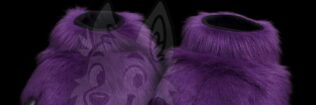
Therian Tails: Gear, Meaning, Ideas, and DIY Tutorials (2026 Guide)

In the therian community, therian tails (or therian tail gear) are one of the most popular and visible pieces of “gear”—accessories that help express and affirm a therian’s non-physical identification as their theriotype (animal self). A therian tail is typically a faux fur or yarn attachment worn on the belt, waistband, or backpack, mimicking the tail of an animal like a wolf, fox, cat, or other species. Tails aren’t required to be a therian—gear is completely optional—but many find them comforting, euphoric, or helpful for inducing mental/phantom shifts (sensations of a tail moving or existing). They bridge the inner animal identity with the outer human world in a subtle, personal way. This guide covers the meaning behind therian tails, popular ideas and styles, why therians wear them, where to buy or find them, and step-by-step DIY tutorials (especially budget-friendly yarn and sock methods popular in 2026). What Do Therian Tails Mean in the Community? Therian tails represent a physical expression of an internal identity. They symbolize: Important distinction: Therian tails are not about physical transformation claims. Therians know they’re human-bodied; tails are symbolic/affirmative accessories. Popular Therian Tail Ideas & Styles Therian tails vary by theriotype, budget, and aesthetic: Aesthetic trends: Pastel cute, dark mystical, realistic fur shading, or hybrid with ears/masks. Why Do Therians Wear Tails? Ethical note: Avoid real fur if concerned about sourcing; faux fur/yarn is cruelty-free and widely recommended. DIY Therian Tail Tutorials 1. Easy Yarn Tail (Beginner, No Sew, ~30–60 mins) 2. Sock/No-Yarn Tail (Ultra-Budget, Stuff & Go) 3. Faux Fur Tail (Intermediate, More Realistic) Tips: Start small, test comfort/movement. For Karachi, yarn/fabric from local markets (Saddar crafts). Where to Buy or Find Therian Tails Final Thoughts Therian tails turn an internal feeling into something tangible—fluffy, wagging reminders of your animal side. Whether DIY yarn for fun or faux fur for realism, they’re about joy and authenticity. What’s your theriotype? Planning a wolf bushy tail, sly fox, or cozy cat one? Tried any DIY? Share ideas or progress below—happy crafting! 🐾💫 get a quote faqs What is a therian tail? A therian tail is a faux fur, yarn, or fabric attachment worn on the belt, waist, or backpack to represent a therian’s theriotype (animal identity). It helps affirm identity, reduce species dysphoria, and sometimes trigger shifts. Do all therians need a tail? No—gear is completely optional. Many therians have no tails or any gear; tails are just one way to express or feel more connected to the theriotype.

Therian Tails: Gear, Meaning, Ideas, and DIY Tutorials (2026 Guide) Read More »

Therian Art & PFP: Creative Ways to Express Your Theriotype (2026 Guide)

In the therian community, art is a powerful outlet for self-expression. Therian art—drawings, digital illustrations, paintings, or crafts depicting theriotypes (your animal identity)—captures the essence of feeling non-human in a human body. Meanwhile, therian pfp (profile pictures) serve as bite-sized, daily affirmations on social media, Discord, Reddit, or gaming platforms, often subtle yet meaningful. Whether realistic portraits, symbolic aesthetics, cute chibi styles, or mystical POV scenes, therian art and PFPs help affirm identity, reduce species dysphoria, trigger shifts, or connect with others. In 2026, with tools like CapCut, AI generators, Picrew, and Pinterest boards exploding (hundreds of thousands searching “therian pfp” or “therian art”), creativity has never been more accessible. This guide explores popular therian art ideas, pfp trends, how to create your own, sources for inspiration/free downloads, and why they matter. Why Therian Art and PFPs Matter Affirmation & Euphoria — Seeing your theriotype in art brings joy and “this is me” moments. Shift Support — Certain aesthetics (e.g., forest wolves, soaring birds) can induce mental/phantom shifts. Community Bonding — Sharing art/PFPs on TikTok, Reddit r/Therian, DeviantArt, or Lemon8 builds connections. Subtle Pride — PFPs are low-key—perfect for privacy while signaling to others in the know. Therapy/Creativity — Drawing your animal side processes feelings, especially with neurodivergence overlap (autism/ADHD common in therians). Trends in 2026: Cute/pastel styles, realistic fur textures, symbolic ΘΔ (theta-delta) overlays, POV immersion, and hybrid human-animal elements. Popular Therian Art Ideas & Styles Therian art ranges from simple doodles to detailed digital pieces. Common themes: Realistic Portraits — Close-ups of your theriotype’s face/eyes (piercing wolf gaze, sly fox grin, fluffy cat whiskers). Often with glowing eyes or nature backgrounds. Symbolic & Aesthetic — Animal silhouettes against moons/sunsets, ΘΔ integrated subtly, pastel palettes, or dark/mystical vibes (shadowy forests, auroras). POV & Immersive — First-person views: paws running through grass, wings spread in flight, muzzle sniffing air—great for feeling “in” the animal body. Cute/Chibi — Adorable, big-eyed versions of theriotypes (popular for younger therians), with hearts, stars, or playful poses. Hybrid/Alterhuman — Blending human features (e.g., human face with animal ears/tail) or gear (masks, collars) in artistic form. Theriotype-Specific Favorites: Wolf — Packs howling, snow scenes, fierce amber eyes. Fox — Autumn leaves, arctic white fluff, cunning expressions. Cat — Cozy/independent poses, tabby/calico patterns. Bird — Soaring eagles, wise owls in moonlight. Coyote/Other — Desert stars, playful or mysterious. Crafts & Traditional — Hand-painted paw prints, sketchbook covers, or mixed-media (yarn tails in art). Inspiration sources: Pinterest boards (110+ “therian art” ideas), DeviantArt tags, Reddit r/Therian shares, TikTok tutorials (e.g., wolf/dog drawing bases), Etsy prints. Therian PFP Ideas & Trends PFPs are square/circular, eye-catching, and often cropped close-ups. Top 2026 ideas: Animal Face Focus — Therotype headshot (fox with sly smile, cat with glowing eyes). Eyes Only — Piercing animal eyes with subtle glow or nature reflection. Silhouette/Outline — Black/white animal shape against colorful backgrounds. With Gear — Masked face, collar, or ears for therian pride. Aesthetic Edits — Pastel filters, stars/hearts, ΘΔ watermark. Cute/Custom — Chibi theriotype, Picrew makers (therian-specific ones), or AI-generated (Somake.ai Therian PFP Maker). Personal Touches — Add scars, markings, or hybrid elements. Platforms: Pinterest (78k+ “therian pfp” searches), Lemon8 collections, DeviantArt customs, TikTok tutorials (“how to make therian pfp”). How to Create Your Own Therian Art or PFP Tools (Free/Easy): Digital: Canva, CapCut, PicsArt, Photoshop Express. Traditional: Paper/markers for doodles, scan/photo to edit. AI: Free generators (prompt: “realistic red fox therian aesthetic, high detail”). Picrew: Therian-specific makers for quick avatars. Steps: Choose theriotype/reference photos. Sketch/base: Outline face/pose. Add details: Fur texture, eyes, markings. Edit: Filters (cool tones for wolves, warm for foxes), overlays (fog, stars), crop for PFP. Export: High-res PNG for transparency. Tips: Start simple (line art) if beginner. Use bases (Pinterest “therian art base”). Credit if using references. For PFP: Square crop, eye-level focus. Where to Find & Share Inspiration/Free: Pinterest (“therian art,” “therian pfp”), DeviantArt, Reddit r/Therian (custom requests). Custom: Etsy prints, DeviantArt commissions, TikTok artists. Share Safely: r/Therian, Discord, Lemon8—use alt accounts if privacy needed. Final Thoughts Therian art and PFPs turn inner feelings into visible pride—whether a quick doodle or polished digital piece. They foster creativity, community, and self-acceptance. Hafiz, what’s your theriotype? Wolf, fox, cat, or unique? Got a favorite art style or PFP idea? Share below—I’d love to hear and maybe suggest more inspo! 🐾🎨 get a quote faqs What is therian art? Therian art is any creative work (drawings, digital illustrations, paintings) depicting your theriotype or therian experiences—portraits, POV scenes, symbolic pieces, or gear-inspired designs to affirm identity. What does therian pfp mean? Therian pfp (profile picture) is a custom avatar/image used on social media, Discord, Reddit, or games that represents your theriotype—often a close-up animal face, eyes, silhouette, or aesthetic edit for subtle pride. Where can I find free therian art or pfp? Pinterest (search “therian pfp aesthetic” or “therian art base”), DeviantArt tags, Reddit r/Therian (free customs/shared bases), Lemon8 collections, Zedge (animal/therian categories).

Therian Art & PFP: Creative Ways to Express Your Theriotype (2026 Guide) Read More »

What Is a Therianthrope? Understanding Therianthropy in Depth (2026 Guide)

The term therianthrope refers to an individual who identifies, on a non-physical level—spiritually, psychologically, neurologically, or through a combination of these—as a non-human animal. This identity is known as therianthropy, and the person experiencing it is a therianthrope (often shortened to “therian”). A therianthrope knows they have a human body and live in the human world, but part of their sense of self feels inherently tied to an animal species (or sometimes multiple), called a theriotype. Therianthropy is not a delusion of physical transformation, a hobby, or a choice—it’s an intrinsic, often involuntary aspect of identity. Many therianthropes describe it as “not fully human” or having an animal soul/essence/mind in a human form. It’s part of the broader alterhuman umbrella, distinct from but overlapping with otherkin (who identify as mythical or non-earthly beings). This guide explores the definition, history, experiences, common misconceptions, community dynamics, and how therianthropy manifests in daily life. Whether you’re questioning your own identity, curious about the community, or supporting someone who is, let’s dive in. The Core Definition of a Therianthrope A therianthrope (or therian) involuntarily identifies as a non-human animal to some degree. The word comes from Greek: thēríon (wild beast) + ánthrōpos (human), literally “beast-human.” Therianthropes emphasize: Non-physical identification — They do not claim to physically shapeshift or become animals in reality. Involuntary nature — It’s not chosen like a fursona in the furry fandom; it often emerges in childhood or adolescence. Theriotype — The specific animal(s) they identify with, usually real/earthly species (wolves, foxes, cats, birds, extinct animals like dinosaurs, or sometimes fictional/mythical in edge cases like fictherians or theriomythics). Therianthropy can be explained through various lenses: Spiritual — Reincarnation, soul mismatch, animal spirit guide. Psychological — Neurodivergence (high overlap with autism/ADHD), brain wiring, coping with human experiences. Unknown — Many simply say “this is who I am” without a specific cause. It’s not classified as a mental disorder unless it causes significant distress (in which case affirming support helps). Most therianthropes function normally in society—holding jobs, relationships, and responsibilities—while privately experiencing their animal side. A Brief History of Therianthropy and the Term “Therianthrope” The concept of humans identifying with or transforming into animals appears in ancient myths worldwide—Egyptian gods with animal heads (Anubis the jackal), Native American skin-walkers, European werewolves, shamanic animal spirits. These reflect humanity’s long fascination with blurring human-animal boundaries. The modern sense of therianthropy emerged in the late 20th century with the internet. Key milestones: Early 1990s — Discussions began on Usenet group alt.horror.werewolves (AHWW), a fan space for werewolf fiction that evolved into personal testimonies of non-fictional animal identities. Early members called themselves “weres” (from werewolf). 1994 — “Therianthrope” was coined as a neutral term to replace “were” (which evoked horror/violence). It gained popularity for describing people who felt like animals intrinsically. Late 1990s–2000s — Dedicated forums like The Werelist and Therianthropy.org formed. The community distinguished itself from furries (hobby/role-play) and otherkin (mythical beings). 2010s–2020s — Social media (Tumblr, TikTok) brought visibility. “Therian” became the common shorthand for therianthrope. Quads (quadrobics), gear, and shifts went viral, attracting younger members. 2024–2026 — Growing awareness of neurodivergence links, inclusivity for diverse theriotypes (extinct, fictional), and efforts to combat misinformation/stigma. Today, therianthropy is a global, mixed-age community, though it skews young (teens/young adults) due to online discovery. Common Experiences of Therianthropes: Shifts and Beyond Therianthropes often describe “shifts”—temporary changes aligning more with their theriotype. Not all experience shifts (some are contherians—constant animal identity without shifts), and shifts are non-physical. Common types include: Mental Shift (m-shift) — Mindset changes: thinking like the animal (pack loyalty for wolves, curiosity for foxes), urges to vocalize (growl, chirp), or altered priorities. Phantom Shift (ph-shift) — Sensing phantom limbs (tail wagging, ears twitching, wings, paws). Similar to amputee phantom sensations. Sensory Shift — Heightened senses (better smell/hearing), urge for raw food, or dulled human senses. Dream Shift — Vivid dreams of living as the theriotype. Astral Shift — Out-of-body or meditative projection into animal form. Immersive Shift — Intense combination of multiple shifts, feeling “more animal” overall. Other experiences: Species dysphoria/euphoria — Discomfort with human body vs. joy in animal-aligned moments. Quadrobics — Running on all fours for fun, exercise, or shift induction. Triggers — Nature, animal sightings, music, stress sparking shifts. Experiences vary widely—some have daily shifts, others rare or none. Misconceptions and Distinctions Not furries — Furries create anthropomorphic characters for art/fandom; therianthropes have intrinsic animal identity. Not delusional — Therianthropes know they’re human-bodied; no belief in literal transformation. Not clinical lycanthropy — Rare psychiatric condition involving delusion of physical change; therianthropy is non-delusional identity. Not a trend — While visibility grew via TikTok, core experiences predate social media. Living as a Therianthrope Therianthropes navigate human life while honoring their animal side—through journaling shifts, nature time, community support, or subtle gear (pendants, wallpapers). Many find peace in acceptance, though some face misunderstanding from family/friends. Communities (r/Therian, Therian Guide, Discords) offer validation, but prioritize safe, affirming spaces. Final Thoughts Being a therianthrope means embracing a multifaceted identity—human in body, animal in essence. It’s about authenticity, not performance. If this resonates, explore gently; if not, it’s still a fascinating window into human (and non-human) experience. Hafiz, curious about therianthropy? What’s drawing you to the topic—personal reflection, community interest, or something else? Share thoughts below—always here to chat supportively. 🐾 get a quote faqs What exactly is a therianthrope? A therianthrope (or therian) is someone who identifies as a non-human animal on a non-physical level—spiritually, psychologically, or both. They know they have a human body but feel an intrinsic animal aspect to their identity (theriotype). Is therianthropy the same as being a furry? No. Furries enjoy anthropomorphic animal characters as a hobby/fandom (art, role-play, suits). Therianthropy is an involuntary, internal identity as an animal, not chosen or performative. Does being a therianthrope mean you think you can physically shapeshift? No. Therianthropes do not claim physical transformation. Claims of literal p-shifting are not part of accepted therianthropy; it’s non-physical (e.g., shifts in mindset or phantom sensations).

What Is a Therianthrope? Understanding Therianthropy in Depth (2026 Guide) Read More »

Therian Wallpapers: Expressing Your Inner Animal on Your Screen (2026 Guide)

In the therian community, self-expression often extends beyond gear like masks or tails—it’s also about surrounding yourself with visuals that affirm your identity. Therian wallpapers have become a popular, subtle way to bring your theriotype (the animal you identify with) into everyday digital life. Whether on your phone lock screen, desktop background, or tablet home, these wallpapers serve as daily reminders of your non-human side, helping with species euphoria, reducing dysphoria, or simply sparking joy. Therian wallpapers typically feature artistic representations of animals in natural settings, POV (point-of-view) shots from an animal’s perspective, symbolic elements (like theta-delta ΘΔ symbols), forests/plains/oceans tied to specific theriotypes, or edited images blending human and animal elements. Popular themes include wolves (pack loyalty, wilderness), foxes (cunning, agility), cats (independence, grace), birds (freedom, flight), and hybrids or unique theriotypes. This blog explores why therian wallpapers matter, popular ideas and styles, where to find or create them, tips for personalization, and how they fit into therian daily life. Why Therian Wallpapers Are Popular in the Community Wallpapers are low-key yet powerful. Unlike visible gear, they’re private—perfect for those not ready to share their identity openly. Many therians use them as: Daily affirmation — Seeing your theriotype on your screen reinforces “this is me.” Shift triggers — Nature scenes or POV shots can induce mental or sensory shifts. Community connection — Sharing wallpapers on TikTok, Pinterest, Reddit r/Therian, or Lemon8 builds bonds. Aesthetic expression — Therian vibes often mix cute, dark, mystical, or realistic animal art with pastel/cool tones. From 2024–2026 trends, searches for “therian wallpaper” spiked on Pinterest (40k+ people searching), Zedge (thousands of animal-category downloads), and Wallpapers.com (dedicated therian sections). Creators on Reddit offer free custom designs, while TikTok tutorials show CapCut edits for personalized ones. Popular Therian Wallpaper Ideas and Themes Here are trending styles based on community favorites: Classic Animal Portraits — Realistic or artistic close-ups of your theriotype (e.g., piercing wolf eyes, sly fox grin, fluffy cat face). Often with subtle glows or nature overlays. POV / First-Person Views — “Therian POV” shots: running through forests as a wolf, soaring as a bird, or prowling as a cat. These immerse you in the animal experience. Habitat Scenes — Immersive backgrounds of your theriotype’s natural home (dense woods for wolves, snowy tundras for arctic foxes, open fields for horses). Add fog, moonlight, or auroras for mystical feel. Symbolic & Aesthetic — Theta-delta (ΘΔ) symbol integrated subtly, animal silhouettes against sunsets, or pastel animal art with quotes like “Embrace Your Wild Side” or “Therian Pride.” Theriotype-Specific Favorites Wolf Therian — Gray timber wolves howling at moons, pack running in snow, fierce amber eyes. Fox Therian — Red foxes in autumn leaves, arctic foxes in white snow, fennec with huge ears. Cat Therian — Tabby/calico/orange cats in cozy or wild poses, black cats with glowing eyes. Coyote Therian — Desert coyotes under stars, playful or mysterious vibes. Bird Therian — Eagles soaring, owls in moonlight, ravens with mystical auras. Cute & Whimsical — Cartoon-style animals, chibi theriotypes, or pastel edits with hearts/stars—popular among younger therians. Dark/Mystical — Shadowy forests, glowing eyes in darkness, or hybrid human-animal figures for deeper spiritual vibes. Where to Find Therian Wallpapers Pinterest — Search “therian wallpaper,” “fox therian wallpaper,” or “therian POV.” Boards have thousands of pins, often free to download. Wallpapers.com & Zedge — Dedicated therian sections with high-res (up to 8K) options for phones/desktops. Zedge has Animals category with therian tags. Wallpaper Cave — Specific collections like “Wolf Therian Wallpapers” or “Therian Fox Wallpapers”—easy free downloads. Reddit r/Therian — Posts offering free custom wallpapers (e.g., graphic design students making them on request). Lemon8 & TikTok — Creators share packs (wolf/fox, cat varieties) with download links or screenshots. DeviantArt & Etsy — Custom digital art; some free, others paid for high-quality. Always credit artists if sharing, and avoid reposting without permission. How to Create Your Own Therian Wallpaper DIY makes it personal: Tools — Free apps: Canva, CapCut, PicsArt, or Photoshop Express. Steps: Find base images (free stock of your theriotype on Unsplash/Pexels). Edit: Add filters (cool tones for wolves, warm for foxes), overlays (fog, stars), text (ΘΔ symbol, “Wild Within”). For POV: Use animal-eye filters or composite running scenes. Size: 1080×1920 for phones, 1920×1080 for desktops. Advanced — Use AI tools (like free Midjourney alternatives) with prompts: “realistic red fox in autumn forest, therian aesthetic, high detail.” Personal Touches — Add scars, accessories, or your theriotype’s markings. Tips for Using Therian Wallpapers Phone Lock Screen — Motivates during the day; change often for different moods. Desktop — Immersive for work/study breaks—pair with nature sounds. Privacy — Use subtle designs if sharing device. Rotation — Apps like Wallpaper Engine (PC) or auto-changers for variety. Final Thoughts Therian wallpapers are more than backgrounds—they’re quiet affirmations of your identity in a digital world. Whether cute, realistic, or symbolic, they help many feel seen and connected. What’s your theriotype? Wolf, fox, cat, or something unique? Have a favorite wallpaper style? Drop ideas or share how you use them let’s talk therian aesthetics! 🐾🖼️   get a quote faqs What are therian wallpapers? Therian wallpapers are digital backgrounds (phone, desktop, tablet) featuring your theriotype (animal identity) in artistic, realistic, or symbolic styles. They help affirm identity, trigger shifts, or provide subtle pride without visible gear. Are therian wallpapers popular in 2026? Yes, Pinterest shows 40k+ searches for “therian wallpaper,” Zedge has 1,240+ therian items in Animals category, and Reddit/TikTok creators share custom packs regularly. Trends include POV nature scenes and theta-delta aesthetics.   . What are the best therian wallpaper themes? Popular: Wolf (howling moons/packs), fox (autumn leaves/arctic snow), cat (cozy/wild poses), bird (soaring POV), coyote (desert stars). Aesthetic styles: cute pastel, dark mystical, realistic portraits, symbolic ΘΔ overlays.

Therian Wallpapers: Expressing Your Inner Animal on Your Screen (2026 Guide) Read More »

Am I a Therian? A Comprehensive Self-Reflection Quiz and Guide (2026 Edition)

In recent years, especially with the rise of TikTok, Reddit, and online communities, more people have been asking themselves: Am I a therian? The term “therian” refers to someone who identifies, on a non-physical level—spiritually, psychologically, neurologically, or a mix—as a non-human animal (called a theriotype). This isn’t about role-playing, costumes, or choosing an animal for fun; it’s a deep, often involuntary sense that part of your core self is animal rather than fully human, while still living as a human in the physical world. Therianthropy has roots in ancient folklore (shamanic shape-shifting, animal spirits) but the modern community formed in the 1990s on forums like alt.horror.werewolves. Today, it’s a supportive space for those experiencing shifts (changes in perception or sensation aligning with their animal side), phantom limbs (feeling absent tails, ears, paws), species dysphoria (discomfort with human body), or instinctual behaviors. No quiz can officially “diagnose” therianthropy—only you can decide if the label fits after honest self-reflection. Quizzes from sites like WikiHow, Quotev, ProProfs, BuzzFeed, and AllTheTests often spark curiosity, but they’re limited tools. They might highlight common experiences (phantom shifts, habitat affinity, primal thoughts) but can give false positives (e.g., strong love for animals ≠ therian) or miss nuances (many therians have few/no shifts). This blog expands on those ideas into a detailed, 20-question self-reflection quiz drawing from community-shared signs (Reddit r/Therian threads, Therian Guide resources, WikiHow-style questions, and personal accounts from 2024–2026). It’s designed for thoughtful exploration, not quick yes/no answers. Score honestly, then read the interpretation and next steps. Key Reminders Before Starting The Expanded “Am I a Therian?” Reflection Quiz Score each question: Scoring and Interpretation Total: 20–80 points Next Steps & Resources This quiz is inspired by real community discussions—your path is unique. Hafiz, what was your score? Any question stand out? Share thoughts below—supportive space here. Stay true to yourself! 🐾 get a quote FAQs Can a quiz really tell me if I’m a therian? No quiz can definitively say yes or no. Therianthropy is a personal, internal identity. Quizzes (including this one) only help you reflect on common experiences. Only you can decide after honest self-exploration. How accurate is this therian quiz? It’s based on real community-reported signs (phantom shifts, dysphoria, instincts, habitat affinity), but it’s not scientific or diagnostic. Results are a starting point—scores can be influenced by mood, wording, or overthinking. What if I score high but don’t feel like a therian? That’s okay. High scores suggest alignment with common therian experiences, but you might be otherhearted, copinglinking, or just deeply connected to animals. Labels are optional.

Am I a Therian? A Comprehensive Self-Reflection Quiz and Guide (2026 Edition) Read More »

Paper Mask Tutorial for Therians: Easy DIY with Cardboard & Paper (2026 Guide)

Paper Mask Tutorial for Therians: Easy DIY with Cardboard and Paper (2026 Expanded Guide) In the therian community, creating gear is a powerful way to bridge the gap between your human body and your inner animal identity—your theriotype. Masks, in particular, offer a visible expression of that connection, helping with phantom shifts (feeling non-physical animal features), mental shifts (adopting an animal mindset), or simply providing comfort during species dysphoria. While many therians eventually move to felt, foam, or faux fur for more realistic and durable results, paper and cardboard remain the ideal starting point. Why? These materials are almost universally available, require minimal tools, cost next to nothing (often free through recycling), and allow rapid prototyping. You can build, test, wear, and refine a mask in a single afternoon. This low-pressure approach is especially welcoming for beginners, young therians, or anyone experimenting with different theriotypes before committing to pricier supplies. Paper/cardboard masks are lightweight—perfect for extended wear during quadrobics (animal-inspired four-limbed movement), nature walks, or private shift sessions. They’re customizable to any animal: the pointed snout of a fox, the rounded face of a cat, the broad muzzle of a wolf, or even avian beaks and manes. Though not as weather-resistant or long-lasting as advanced gear, they capture the essence of therian expression authentically. This expanded 2026 guide compiles insights from community-shared methods (YouTube cardboard canine bases, paper-only wolf tutorials, TikTok quick builds, Reddit r/theriangear advice, and Pinterest inspirations). It includes detailed steps, variations for popular theriotypes, troubleshooting, safety considerations, upgrades, and creative enhancements to help you craft something truly personal. The Appeal of Paper/Cardboard in the Therian Community Therian gear isn’t about perfection—it’s about authenticity. Paper masks shine here because: Community veterans often say their first cardboard mask sparked confidence to explore more elaborate gear later. Essential Materials List Core Items (Ultra-Basic Build – Often Free or <$5): Helpful Add-Ons (Still Low-Cost): Pro tip: Work in a well-ventilated area if using glue or paint; cover your workspace to avoid mess. Detailed Step-by-Step: Building a Basic Paper/Cardboard Therian Mask Preparation (5–10 minutes) Gather materials and clear a workspace. Decide your theriotype—reference photos help visualize proportions (snout length, ear shape, eye placement). Sketch rough ideas on scrap paper. Step 1: Create the Template (15–30 minutes) Step 2: Transfer to Cardboard & Cut (20–40 minutes) Step 3: Shape & Assemble the 3D Structure (30–60 minutes) Step 4: Detailing & Coloring (30–90 minutes) Step 5: Add Straps & Final Adjustments (10–20 minutes) Step 6: Refine & Upgrade (Ongoing) Variations for Popular Theriotypes Red Fox — Elongated pointed snout (extend cone), orange base + white muzzle/inner ears + black tips. Draw fine whiskers, add “socks” markings. Gray Wolf — Broader snout, thick “mane” (crumpled paper strips around cheeks/neck), fierce eye shapes, gray tones with white accents. Tabby Cat — Short rounded snout, pointy ears with inner pink, orange/gray base + black stripes. Big expressive eyes. Husky Dog — Medium snout, fluffy cheek ruffs (extra paper layers), blue eye accents (drawn or painted). Owl/Bird — Rounded face, beak extension (folded triangle), feather details (cut paper fringes). Mix and match for hybrids or cladotherians (e.g., all-canine features). Troubleshooting & Advanced Tips Advanced ideas: Add moving jaw (hinged cardboard), LED eyes (battery + lights), scented elements (essential oil on paper), or modular parts (removable ears). Why This Matters in Therianthropy Crafting—even with simple paper—affirms your identity. The process fosters mindfulness, creativity, and self-acceptance. Many therians describe their first handmade mask as a milestone: “Finally, something that looks like how I feel inside. Start small, iterate often, and enjoy. Your mask doesn’t need to be perfect—it just needs to feel right for you. What’s your theriotype? Planning a fox, wolf, or something unique? Share your build experiences or ask for tweaks in the comments—happy crafting! get a quote FAQS Can I really make a therian mask with just paper and cardboard? Yes—it’s one of the easiest and cheapest ways to start. Use recycled boxes for the base, printer paper for templates, tape for assembly, and markers/paint for details. Many therians begin here before upgrading. How long does it take to make a paper therian mask? Basic version: 45–90 minutes. With painting and refinements: 2–4 hours total. Paper mache layers add 1–2 days drying time if you want extra strength. What theriotypes work best with cardboard masks? Any! Fox (long snout), cat (short/rounded), wolf (broad muzzle + mane), dog (husky ruffs), bird (beak focus). Cardboard is very forgiving for shaping.

Paper Mask Tutorial for Therians: Easy DIY with Cardboard & Paper (2026 Guide) Read More »

How to Make a Therian Mask: Step-by-Step DIY Guide (2026 Edition)

Making your own therian mask is one of the most rewarding parts of therian gear crafting. It lets you express your theriotype (your animal identity) in a tangible way, helps with shifts, quadrobics, or just feeling more connected to your animal side. Whether you’re a beginner in Karachi with limited materials or have access to craft stores, this guide covers everything from scratch builds to customizing bases. Therian masks are partial face coverings (usually covering the upper face, snout, and ears) made from affordable items like cardboard, felt, foam, faux fur, and mesh. They’re not full fursuits—they’re lightweight, DIY, and personal. No sewing machine needed for basics, though it helps for advanced versions. This tutorial aims for 2500–3000 words, with beginner-friendly options (cardboard-only or low-cost), intermediate (felt/foam), and tips for popular theriotypes like fox, cat, or wolf. Safety first: ensure good vision (mesh eyes), ventilation, and no sharp edges. Why Make Your Own Therian Mask? Common starting points: Buy a blank cat mask base (Amazon/Etsy, or local Saddar shops sell similar plastic/felt ones) or build from cardboard for zero cost. Materials You’ll Need (Budget Options for Karachi) Beginner (Cardboard-Only, ~PKR 200–500): Intermediate (Felt/Foam, ~PKR 800–2000): Advanced Add-ons: Tools: Pencil, ruler, hot glue gun (essential for speed), sandpaper (smooth edges). Step-by-Step: Building from Scratch (Cardboard Base Method) This is the most accessible—no premade base needed. Great for fox, wolf, or dog theriotypes with longer snouts. Step 1: Design & Pattern (30–60 mins) Step 2: Cut & Assemble Base (1–2 hours) Step 3: Smooth & Strengthen (Optional Paper Mache, 1–2 days drying) Step 4: Cover the Base (Felting/Fabric, 1–3 hours) Step 5: Details & Painting (1–2 hours) Step 6: Straps & Fit (15 mins) Step 7: Final Touches & Testing Variations: Fox Therian Mask Specifics Foxes are super popular—cunning, agile vibe. Modify above: Many start with cat base, glue paper/foam extensions for fox muzzle (easy mod from tutorials). Beginner Cat Mask (Using Premade or Simple Cardboard) If cardboard feels hard, buy blank cat mask (plastic/felt, ~PKR 500–1000 online or local). Tips for Success & Common Mistakes Advanced Ideas Final Thoughts Crafting a therian mask is about creativity and self-expression. Start simple—your first might be cardboard and paint, but it’ll feel authentic because it’s yours. Many therians say their handmade gear helps more than bought ones. get a quote FAQS How do I make a therian mask for beginners? Start with cardboard (free from boxes) or a cheap blank cat mask base (~PKR 500–1000 from online/local shops). Follow steps: sketch pattern, cut/assemble base, cover with felt/foam, paint details, add mesh eyes and elastic. Tutorials on YouTube (2025–2026 realistic tiger/coyote ones) and TikTok are great references. What materials do I need for a DIY therian mask? Basics: Cardboard/EVA foam/felt, hot glue gun, scissors/X-Acto, acrylic paint/markers, mesh (mosquito net), elastic. For fox: faux fur strips (orange/white/black), pipe cleaners for whiskers. In Karachi, check Saddar/Bohri Bazaar for felt, glue, foam; recycle cardboard. How do I make a fox therian mask specifically? Extend the snout longer/pointier (cardboard cone or foam layers). Use orange/red base + white muzzle/underbelly + black ear tips. Add fluffy tufts, amber/green eyes. Modify cat bases easily—many 2025–2026 TikToks show red/arctic/fennec/kitsune versions.

How to Make a Therian Mask: Step-by-Step DIY Guide (2026 Edition) Read More »

Therian Masks: Gear, Expression, Creativity, and Community in Therianthropy

Therianthropy represents a profound, often lifelong identification where individuals feel a non-physical connection to a non-human animal, known as their theriotype. This can manifest spiritually (as in soul or past-life beliefs), psychologically (as innate brain wiring or neurodivergence), or both. While the experience remains deeply internal—through phenomena like mental shifts (animalistic mindset), phantom shifts (sensing absent limbs like tails or ears), sensory shifts (heightened instincts), or species dysphoria/euphoria—the therian community has developed ways to express this outwardly. One of the most iconic and widespread forms of this expression is the therian mask. In this comprehensive guide, we’ll explore the role of therian masks in the community, their history and meaning, popular therian mask ideas, creative designs, detailed crafting processes, a special spotlight on fox therian mask variations, integration with activities like quadrobics, and why they matter so much to therians worldwide. Whether you’re new to therianthropy, seeking inspiration for your first project, or simply curious about this growing subculture, this post aims to provide an in-depth look. The Essence of Therianthropy and the Role of Gear To understand therian masks, we first need context on therianthropy itself. The term “therian” shortens “therianthrope,” from Greek “therion” (wild beast) and “anthropos” (human), literally “beast-human.” Modern therianthropy emerged in the early 1990s on Usenet groups like alt.horror.werewolves (AHWW), where people shared non-fictional experiences of identifying as animals beyond fiction or role-play. Unlike the furry fandom (focused on anthropomorphic characters for art, fun, and socializing), therians view their identity as intrinsic—not chosen, not performative, and not delusional. Over time, therians developed “gear” as tools for expression and comfort. Gear includes tails, ears, paws, collars, masks, and more. These items help affirm identity, reduce dysphoria, trigger shifts, or simply feel more “themselves” in a human-dominated world. Gear is optional; many therians have none and live fully human lives while privately experiencing their animal side. But for those who use it, gear becomes a bridge between inner and outer worlds. Among gear, therian masks stand out as highly visible and symbolic. They cover part or most of the face, mimicking the theriotype’s features (snout, ears, fur patterns) without being full fursuit heads (which are more common in furries and cost hundreds). Masks are typically partial, focusing on the upper face or muzzle, allowing breathing, vision (via mesh eye holes), and speech. They’re often handmade, affordable, and deeply personal. History and Rise in Popularity of Therian Masks Therian masks aren’t ancient to the community. While animal masks exist in shamanism, folklore, and cosplay, the specific style popular among therians—felt or cardboard-based, exaggerated cat/fox/wolf features—gained traction around 2018–2019. Early therians (1990s–2010s) expressed through writing, art, or subtle items like pendants. Masks weren’t central. The explosion came with TikTok and YouTube. Viral videos of “quadrobics” (running/jumping on all fours in animal-like gaits), “shifts” in nature, and mask-making tutorials turned therian gear into a visible trend. Cat-style masks (big eyes, pointy ears, whiskers) became iconic starters, often called “cat masks” even for non-cat theriotypes. By the 2020s, #TherianMask, #TherianGear, and related tags amassed millions of views. This popularity ties to broader youth culture: self-discovery in adolescence, neurodivergence overlap (many therians are autistic or ADHD), and social media’s amplification. In places like Karachi, Pakistan, where online communities thrive despite cultural conservatism, therians use masks privately or in safe spaces to explore identity. Critics sometimes call it a “fad,” but veterans emphasize it’s evolved from deeper roots. Masks help combat isolation, especially for young therians facing misunderstanding or bullying. What Makes a Therian Mask Special? A therian mask differs from Halloween costumes or cosplay props. It’s functional for: Materials vary: cardboard (cheap, beginner), foam/EVA (durable), felt (soft, easy), faux fur (realistic texture), acrylic paint, hot glue, mesh fabric (for eyes), elastic straps. Safety matters—good ventilation, no obstruction of vision/hearing, lightweight for long wear. Masks are customizable: scars for “battle-worn” wolves, flowers for gentle deer, or glow-in-dark paint for nocturnal theriotypes. Popular Therian Mask Ideas and Themes Community favorites draw from common theriotypes and creative twists: Beginners often start with premade bases (Amazon/Etsy cat mask blanks) and customize. Advanced crafters sculpt snouts from foam or use resin for details. Fox Therian Mask: Why Foxes Dominate and Design Ideas Fox therian masks rank among the most beloved. Foxes embody cunning, playfulness, agility, and adaptability—qualities many therians relate to. Red fox is classic, but variations thrive. Key fox therian mask ideas: Crafting tips for fox masks: Tutorials often start with cat bases, modifying snout shape with glue/paper for fox muzzle. Paper plate versions exist for ultra-budget, or full cardboard builds. Step-by-Step: How to Make Your Own Therian Mask Beginner challenges: 1-hour speed builds or limited materials. Advanced: sewing machines for clean seams. Integration with Quadrobics and Community Life Many use masks during quadrobics—exercises mimicking animal gaits for fun, fitness, or shifts. Masks enhance immersion, especially outdoors. Communities share tutorials on safe quads (stretches, forms: walk/trot/canter/jump). In Karachi or similar cities, therians practice privately (parks, homes) due to visibility concerns, but online sharing builds global support. Challenges, Misconceptions, and Future Misconceptions: Masks = costume or trend; therians claim physical shifts (they don’t). Challenges: Gatekeeping (“real” vs. “TikTok” therians), bullying, or appropriation concerns. Yet masks foster creativity, mental health benefits (coping via expression), and inclusivity. As VR/AR grows, digital masks may emerge. For now, handmade ones remain core. Conclusion Therian masks—from simple cat designs to intricate fox therian masks—transform internal identity into tangible pride. They embody creativity, resilience, and community in therianthropy. If this inspires you, start small: cardboard, markers, passion. Share safely online—what’s your theriotype? Mask ideas? Let’s discuss! get a quote FAQS What is a therian mask? A therian mask is a partial, handmade face covering (often cardboard, felt, foam, or faux fur) representing your theriotype. It’s not a full fursuit—focuses on snout, ears, eyes (mesh for vision), and helps induce shifts or express identity during quadrobics. Are therian masks still popular in 2026? Yes—search interest remains steady with peaks in fall/spring (per trends data). DIY masks exploded via TikTok/YouTube tutorials in 2025–2026, with

Therian Masks: Gear, Expression, Creativity, and Community in Therianthropy Read More »

Understanding Therianthropy: A Deep Dive into the World of Therians

In a world where identity is increasingly fluid and multifaceted, concepts like therianthropy challenge our traditional understandings of self. If you’ve ever scrolled through social media platforms like TikTok, Reddit, or Discord and stumbled upon users donning animal ears, tails, or masks while discussing “shifts” or “phantom limbs,” you might have encountered therians. But what exactly is a therian? At its core, a therian is an individual who identifies, on a non-physical level, as a non-human animal. This identification isn’t about role-playing or costume-wearing for fun; it’s a profound, often spiritual or psychological connection to an animal species. Therianthropy, the term used to describe this phenomenon, derives from the Greek words “therion” (meaning beast) and “anthropos” (meaning human). It’s part of a broader umbrella known as otherkin, where people identify as non-human entities, but therians specifically focus on earthly animals rather than mythical creatures like dragons or elves. Therians believe that their soul, mind, or essence is partially or wholly that of an animal, leading to experiences that blur the lines between human and beast. This blog post aims to explore therianthropy in depth, from its definitions and origins to the lived experiences of therians, community dynamics, psychological interpretations, and common misconceptions. We’ll delve into why this identity resonates with so many, particularly young people, and how it fits into modern discussions of neurodiversity, mental health, and self-expression. By the end, you’ll have a comprehensive understanding of what it means to be a therian in today’s world. Whether you’re curious, skeptical, or perhaps recognizing something in yourself, let’s embark on this journey. The Origins and History of Therianthropy To truly grasp what a therian is, we must trace its roots. Therianthropy isn’t a new-age fad born from the internet; its conceptual foundations stretch back millennia. Ancient mythologies and folklore are rife with stories of humans transforming into animals or possessing animal spirits. Think of the werewolf legends in European folklore, the skin-walkers in Native American traditions, or the animal-headed gods in Egyptian mythology like Anubis, the jackal-headed deity. These narratives reflect a deep-seated human fascination with transcending our species boundaries. In shamanistic practices across indigenous cultures, shamans often “shape-shift” into animals during rituals to gain wisdom or power from the natural world. For instance, in Siberian shamanism, practitioners might embody wolves or bears to connect with ancestral spirits. Similarly, in African and Australian Aboriginal traditions, totemic animals represent clan identities, where individuals feel a spiritual kinship with specific creatures. The modern therian movement, however, crystallized in the late 20th century with the advent of the internet. The term “therianthrope” was popularized in the 1990s on Usenet groups like alt.horror.werewolves (AHWW), where people shared experiences of feeling like animals. What started as discussions about werewolf fiction evolved into personal testimonies of non-fictional animal identities. By the early 2000s, dedicated forums like The Werelist and Therian Guide emerged, providing safe spaces for therians to connect. The rise of social media in the 2010s amplified therian visibility. Platforms like Tumblr and DeviantArt allowed for artistic expressions, while TikTok’s short-form videos made “therian shifts” go viral. Today, therian communities thrive on Discord servers, Reddit subreddits (e.g., r/Therian), and Instagram, with hashtags like #TherianPride garnering millions of views. This digital evolution has democratized therianthropy, making it accessible to a global audience, including those in non-Western countries where traditional animal spirit beliefs might overlap with modern interpretations. Historically, therianthropy has intersected with other subcultures. For example, it’s often confused with the furry fandom, which began in the 1980s at sci-fi conventions. While furries create anthropomorphic animal characters for art and role-play, therians view their identity as inherent rather than chosen. Despite overlaps—many therians are also furries—the distinctions are crucial. In terms of demographics, therian communities skew young, with surveys from sites like The Therian Census (an informal online poll) indicating that most participants are between 13 and 25 years old. This youthfulness might stem from adolescence being a time of intense self-discovery, where questioning one’s humanity feels natural amid hormonal changes and societal pressures. Defining Therian: Core Concepts and Experiences So, what does it mean to be a therian in practical terms? Therians describe their identity as an integral part of their being, not a delusion or pretense. It’s often categorized into spiritual therianthropy (believing one’s soul is animal) and psychological therianthropy (attributing it to brain wiring or neurodivergence). A key aspect is the “theriotype,” the specific animal a therian identifies as. Common theriotypes include wolves (the most popular, perhaps due to cultural associations with pack loyalty and wilderness), cats, foxes, and birds. Some therians are “polytherians,” identifying with multiple animals, while others are “cladotherians,” connecting to a broader clade like all felines rather than a single species. Therians frequently experience “shifts,” temporary changes in perception or behavior that align more closely with their theriotype. There are several types: Mental Shifts: A change in mindset where human thoughts give way to animalistic instincts. For a wolf therian, this might involve heightened pack loyalty or a urge to howl. Phantom Shifts: Sensing non-existent body parts, like tails, ears, or wings. This is akin to phantom limb syndrome in amputees, where the brain maps “missing” parts. Dream Shifts: Experiencing life as their theriotype in dreams, often vividly. Astral Shifts: In spiritual contexts, projecting one’s consciousness into an animal form during meditation or out-of-body experiences. Sensory Shifts: Enhanced or altered senses, such as a keener sense of smell or a preference for raw foods. These shifts aren’t constant; therians live as humans most of the time, holding jobs, relationships, and responsibilities. However, shifts can be triggered by stress, nature immersion, or even music. For many, gear like tails, masks, or collars (known as “therian gear”) helps express or induce shifts, serving as a form of self-soothing. Therian identity often intersects with neurodiversity. Many therians report co-occurring conditions like autism, ADHD, or anxiety. A 2019 survey on The Werelist found that over 60% of respondents identified as neurodivergent, suggesting therianthropy might be a coping mechanism or a way to

Understanding Therianthropy: A Deep Dive into the World of Therians Read More »

Motor City Comic Con 2025 Recap: Detroit Area Pop Culture Con Highlights

Motor City Comic Con (often abbreviated as MC3) is Michigan’s largest and longest-running pop culture convention, a beloved staple in the Detroit area since its debut in 1989. Held twice a year—typically in spring (May) and fall (November)—at the Suburban Collection Showplace in Novi, Michigan (about 30 minutes west of downtown Detroit), the event draws tens of thousands of fans for a high-energy mix of celebrity meet-and-greets, comic creators, cosplay, vendor halls, panels, and geek culture immersion. In 2025, MC3 delivered two standout editions: the spring show on May 16–18 and the fall edition on November 14–16. Both events lived up to the motto “Pop Culture, It’s What We Do!” with massive guest lineups, vibrant cosplay scenes, and family-friendly fun that solidified its reputation as one of the Midwest’s premier cons. The Venue and Atmosphere The Suburban Collection Showplace provides a spacious, multi-hall setup ideal for large crowds. With expansive exhibit floors, dedicated autograph areas, panel rooms, and photo op zones, the venue handles the influx well—though popular guests still draw long lines. Parking is plentiful (with paid options), and the location offers easy access from Detroit metro highways. The atmosphere buzzed with excitement: elaborate cosplays (from Marvel heroes to anime characters and horror icons) filled the halls, vendors sold exclusives and collectibles, and the air echoed with cheers from panels and spontaneous photo shoots. Attendees praised the welcoming, inclusive vibe—suitable for families, solo fans, and hardcore collectors alike. Celebrity Guests and Highlights from 2025 MC3 excels at star power, and 2025 was no exception. Spring 2025 (May 16–18) featured a powerhouse lineup including: Panels offered behind-the-scenes stories, Q&As, and nostalgic reunions. Autographs and photo ops (via official providers) were highlights, though some fans noted high demand led to quick sell-outs. Fall 2025 (November 14–16) continued the momentum with strong celebrity draws, cosplay contests, and exhibitor energy. Walking tours and attendee videos captured the revelry, with reports of packed halls, indie artist booths, and memorable interactions. Attendance estimates hovered in the tens of thousands per show (consistent with past years’ 50,000–70,000 range for major editions), creating an electric but manageable scale. Programming and Activities MC3 offered diverse tracks: Feedback highlighted the con’s balance: comic purists appreciated the creator focus, while celebrity fans called it “amazing.” Memorable Moments and Community Impact 2025 editions featured viral cosplay moments, reunion panels, and positive attendee stories shared on social media and Reddit. Reviews noted the con’s enduring appeal—decades strong, yet still delivering fresh energy. Challenges like lines for big names were offset by smooth organization and staff support. The event reinforces Detroit’s geek culture scene, drawing regional fans and boosting local tourism. Looking Ahead The next Motor City Comic Con is the Spring 2026 edition on May 15–17 at the same venue. Tickets are on sale, with send-in autographs, photo op schedules, and guest announcements rolling out. The con continues to evolve while staying true to its roots. If you’re a pop culture fan, Motor City Comic Con delivers big Midwest charm, star power, and community. Whether it’s your first time or a yearly tradition, it’s worth the trip to Novi. get a quote faqs What is Motor City Comic Con? MC3 is Michigan’s longest-running pop culture convention (since 1989), focusing on comics, celebrities, cosplay, gaming, and more. It’s held twice yearly in Novi, near Detroit. Where is Motor City Comic Con held? Suburban Collection Showplace, 46100 Grand River Ave., Novi, MI (about 30 minutes west of Detroit). Easy highway access and parking available. When were the 2025 events? Spring: May 16–18, 2025. Fall: November 14–16, 2025. Hours typically Friday afternoon–evening, full Saturday, and Sunday morning–early evening.

Motor City Comic Con 2025 Recap: Detroit Area Pop Culture Con Highlights Read More »

Shopping Cart