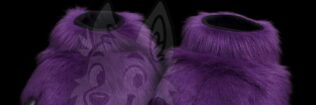
Exploring Kemono Fursuits: A Guide to Anime-Style Furry Costumes

  Kemono fursuits represent a vibrant and unique subset of the furry fandom, blending Japanese anime aesthetics with anthropomorphic animal costumes. These suits are known for their cute, exaggerated features and have gained popularity worldwide. This article delves into their origins, characteristics, and practical aspects to provide a comprehensive overview. What is a Kemono Fursuit? A kemono fursuit is a type of costume that embodies anthropomorphic animals in a style inspired by Japanese anime and manga. The term “kemono” translates to “beast” in Japanese, and these suits often feature large eyes, small muzzles, and fluffy, pastel-colored fur to evoke a “kawaii” (cute) appearance. Unlike more realistic or cartoonish Western fursuits, kemono designs prioritize expressive, chibi-like proportions that appeal to fans of Japanese pop culture. Kemono fursuits can be full-body suits (fullsuits), partial suits (including heads, paws, and tails), or just heads. They are handmade using materials like faux fur, foam, and sometimes 3D-printed components for eyes and structures. Prices for custom fullsuits typically range from $2,000 to $7,000, depending on the maker and complexity. Origins of Kemono Style in the Furry Fandom The kemono style emerged in the late 1990s in Japan as a local interpretation of the Western furry fandom. It originated from self-published fan works (doujinshi) at events like Comiket, where artists created anthropomorphic characters influenced by anime. The archetype was developed as Japan’s take on furry culture, with “kemono” referring to beast-like characters and fans known as “kemoners.” While the broader furry fandom traces roots to works like Disney animations and novels from the 1960s and 1970s, kemono specifically draws from Japanese media, such as animal characters in manga. Over time, it has overlapped with global furry communities, with kemono fursuits becoming popular through online platforms and conventions. Differences from Traditional Toony Fursuits Kemono fursuits differ significantly from standard toony fursuits in construction and wear. They often use custom expanding foam bases for the head, 3D-printed PLA eye blanks with acrylic domes, and built-in fans for ventilation near the ears. These features make them lighter and more breathable but also more delicate—kemono heads are not machine-washable and require spot cleaning due to electronic components and acrylic parts. In style, kemono suits emphasize anime-like cuteness with oversized eyes and minimalistic muzzles, whereas toony suits might have more exaggerated cartoon features or realistic elements. Kemono designs are typically digitigrade (toe-walking) and avoid plantigrade (flat-footed) styles. Popular Makers and Where to Buy Kemono Fursuits Finding a reputable kemono fursuit maker involves research to avoid scams. Popular platforms include: Tips: Use Reddit communities like r/fursuit for recommendations, check Fursuit Review databases, and be cautious of knockoffs. International shipping may add tariffs. How to Make a Kemono Fursuit Creating your own kemono fursuit requires skills in sewing, sculpting, and electronics. Start with a foam base for the head, add faux fur, and incorporate 3D-printed eyes. Tutorials on YouTube, such as those from Skyehigh Studios or personal makers, guide the process. For beginners, kits or partial builds from sites like Amazon can serve as a starting point, though custom designs are preferred for authenticity. Care and Maintenance of Kemono Fursuits Due to their delicate components, kemono fursuits need careful handling. Spot clean fur with mild soap, avoid submerging heads in water, and store in a cool, dry place. Ventilation fans should be checked regularly to prevent overheating during wear. The Kemono Community and Culture Kemono enthusiasts gather at conventions, online forums like FurAffinity and Reddit, and doujin events in Japan. The style fosters creativity, with fans sharing designs on Pinterest and TikTok. It’s a welcoming space for expressing identity through adorable, beast-like personas. In summary, kemono fursuits offer a charming bridge between anime and furry worlds, appealing to those seeking cute, expressive costumes. Whether buying or making one, prioritize quality and community resources for the best experience.

Exploring Kemono Fursuits: A Guide to Anime-Style Furry Costumes Read More »

How Much Should I Charge for Art Commissions? A Comprehensive Guide

Art commissions are an exciting and fulfilling way for artists to make money from their craft. Whether you’re an established artist or just starting out, pricing your work can be one of the most challenging aspects of selling art. Finding the right balance between valuing your time, skill, and effort while remaining competitive in the market can be tricky. This article aims to break down how much you should charge for art commissions, considering various factors, and provide a step-by-step guide on how to calculate the right price for your artwork. Factors to Consider When Pricing Art Commissions When setting your prices, it’s crucial to evaluate several factors that affect the cost of an art commission. These include: 1. Your Skill Level 2. Time Spent on the Artwork One of the most critical elements of pricing your commissions is the amount of time you’ll spend working on the piece. Time not only refers to how long it takes to complete a project, but also includes time spent on communication, revisions, research, and planning. 3. Art Medium and Materials Different mediums require varying levels of effort and investment. Digital art, for instance, may have a lower material cost but could require specialized software. Traditional mediums like oil painting or sculpture may involve the purchase of expensive materials like canvases, paints, and tools. If you’re working with traditional mediums, make sure to include the cost of materials in your pricing. For digital artists, factor in the cost of software subscriptions (like Adobe Creative Cloud or Clip Studio Paint) and hardware. 4. Complexity of the Artwork The complexity of the commission will have a significant impact on the price. A detailed character portrait with a complicated background will naturally cost more than a simple headshot or sketch. Some elements to consider are: 5. Market Research and Competitor Pricing Understanding what other artists in your niche are charging is essential. If you’re just starting out, it might be tempting to undercut others to attract clients, but this could devalue your work. Take the time to check out artists with similar skill levels, styles, and commissions to see how they’re pricing their work. This can give you a benchmark to ensure your prices are competitive but fair. 6. The Client’s Budget While your pricing should reflect the value of your work, it’s also important to take into account the budget of your clients. A simple sketch for a friend or a non-profit organization may warrant a discounted price or even a donation-based commission. However, for high-profile or corporate clients, you can and should charge premium rates. 7. Rights and Usage The usage of your artwork should influence the price. Art commissions for personal use, like portraits or fan art, will typically cost less than commercial work, where your art will be used for advertising, branding, or product packaging. When pricing, clarify how your art will be used: Consider offering licensing agreements for commercial use, allowing you to retain the copyright while still receiving fair compensation for the usage of your work. How Much Are Art Commissions Usually? Art commission prices vary widely depending on several factors, including the artist’s experience, the medium, the complexity of the piece, and the intended use of the artwork. Here’s a general guide: These are ballpark figures, and prices may vary based on your style, skill level, and the specifics of the commission. How Much Do Art Commissions Make? The amount you can make from art commissions depends on a few variables: To give you a rough estimate: Why Are Art Commissions So Expensive? Art commissions can seem expensive, especially for those who are new to buying art. However, there are several reasons why high-quality commissions come with a hefty price tag: Why Do Furries Wear Fursuits? The furry community is a diverse group of individuals who have an interest in anthropomorphic animals, often expressing this interest through art, role-playing, and, in many cases, wearing fursuits. A fursuit is a custom-made costume that resembles an anthropomorphic animal and is often used by furries during conventions or meet-ups. Here are some reasons why furries wear fursuits: The cost of fursuits can be quite high, with prices ranging from $2,000 to $10,000 or more, depending on the complexity and materials used. Much like art commissions, the price reflects the time, skill, and effort involved in creating the suit. How to Price Your Art Commission: A Step-by-Step Guide Step 1: Calculate Your Hourly Rate Start by figuring out how much your time is worth. A simple way to do this is by calculating your desired hourly wage and multiplying it by the estimated time it will take to complete the commission. Example: If you want to earn $25 per hour and estimate that the commission will take 10 hours to complete, the total price will be:Hourly Rate=25×10=250text{Hourly Rate} = 25 times 10 = 250Hourly Rate=25×10=250 Step 2: Add Material Costs (if applicable) If you’re using traditional materials, you’ll need to factor in the cost of supplies. For instance, the price of paint, brushes, paper, or canvases should be included in the overall price. Example: If you spend $10 on materials for a painting, add that cost to your hourly rate:Total Commission Price=250+10=260text{Total Commission Price} = 250 + 10 = 260Total Commission Price=250+10=260 Step 3: Account for Complexity and Detail Add a surcharge for complexity if the project involves detailed backgrounds, multiple characters, or intricate designs. A common way to calculate this is by charging an extra percentage based on the difficulty level of the work. Example: For a very detailed piece, you might add 20%:Total Commission Price=260×1.2=312text{Total Commission Price} = 260 times 1.2 = 312Total Commission Price=260×1.2=312 Step 4: Add Licensing Fees (for Commercial Use) If the commission is for commercial use, such as a business logo, consider adding a licensing fee. This fee could range from 50% to 100% of the base price depending on how the artwork will be used. Example: For a commercial logo, you might add a 50% license fee:Commercial Price=312×1.5=468text{Commercial Price} = 312 times 1.5 = 468Commercial Price=312×1.5=468 Step

How Much Should I Charge for Art Commissions? A Comprehensive Guide Read More »

How to Commission a Fursuit: A Step-by-Step Guide for First-Timers

Are you ready to bring your fursona to life? Whether you’re new to the furry fandom or a seasoned con-goer finally looking to suit up, commissioning a fursuit is an exciting milestone. But it can also be overwhelming — from choosing the right maker to understanding materials, styles, timelines, and budgets. In this detailed guide, we’ll walk you through every step of how to commission a fursuit. By the end, you’ll know exactly what to expect and how to make your dream suit a reality. 1. Understand What a Fursuit Is Before diving into the commission process, it helps to understand what a fursuit entails. A fursuit is a full or partial anthropomorphic animal costume typically based on a character — called a fursona — that represents its owner. Fursuits vary greatly in style and complexity, from simple partial suits (head, hands, tail) to full-body digitigrade suits with custom padding, LED lights, moving jaws, and more. Common styles include: 2. Develop or Finalize Your Fursona If you haven’t already, now’s the time to design your fursona. This character will be the blueprint for your fursuit. You’ll need a reference sheet, ideally a digital 2D drawing that shows: If you don’t have a ref sheet yet, you can hire a furry artist to create one for you — or search for artists on FursuitCommissions.com, where many fursuit makers also offer ref sheet services or partner with trusted illustrators. ✅ Tip: A well-made reference sheet saves you and your maker a ton of time and confusion. Don’t skip it! 3. Determine Your Budget Fursuits are handmade custom art, not mass-produced costumes — and the pricing reflects that. Here’s a rough breakdown of typical fursuit prices (as of 2025): Type Price Range Fursuit head only $600 – $1,200 Partial suit $1,200 – $2,500 Plantigrade fullsuit $2,500 – $4,500 Digitigrade fullsuit $3,500 – $7,000+ Prices vary based on style, maker reputation, features (like LEDs or jaw movement), and turnaround time. Budgeting tips: 4. Research and Choose a Fursuit Maker Choosing the right fursuit maker is crucial. You want someone whose art style matches your vision and who has a good track record with clients. What to Look For: This is where FursuitCommissions.com really shines. It’s the largest fursuit commission directory, allowing you to: 🎯 Whether you’re looking for a toony budget suit or a high-end realistic masterpiece, FursuitCommissions.com is the best place to start your search. 5. Understand the Process (and Timeline) Each fursuit maker has their own process, but the general flow usually looks like this: 🧾 Step-by-Step Process ⏳ How long does it take? Depending on the maker’s queue and complexity, fursuits can take anywhere from 2 to 12+ months. Be patient and plan ahead — especially if you want the suit ready for a con. 6. Be a Dream Client Makers love working with clients who are clear, respectful, and organized. 💡 Pro Tips for a Smooth Commission: 7. What to Do After You Receive Your Suit 🎉 Congratulations! Once your fursuit arrives: ✨ Bonus: Consider getting fursuit photoshoots or filming videos to show off your new character online! 8. Common Mistakes to Avoid Even with all the excitement, many new furries make avoidable errors. Here are a few to steer clear of: 9. Why Use FursuitCommissions.com? There are dozens of fursuit makers online — but finding them, comparing them, and trusting them can be overwhelming. FursuitCommissions.com makes the process so much easier by giving you a curated space to: ✅ Browse hundreds of trusted fursuit artists✅ Post your project and receive maker offers✅ Filter by style, pricing, turnaround, or location✅ Read real reviews from past clients✅ Avoid scams by working through a trusted platform 🌟 It’s the safest, most organized way to commission a fursuit in 2025. Visit FursuitCommissions.com and start your search today — your fursona deserves the best! Final Thoughts Commissioning a fursuit is one of the most rewarding things you can do in the furry community. It brings your character to life, lets you express yourself at cons, meetups, and online spaces, and can even open doors to performance or content creation. With the right research, preparation, and maker, your dream suit is absolutely within reach. So what are you waiting for? 🐾 Start your journey at FursuitCommissions.com — and suit up with confidence!

How to Commission a Fursuit: A Step-by-Step Guide for First-Timers Read More »

Shopping Cart