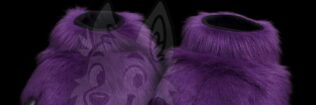
If you’ve ever searched “what is a furry person” or stumbled across colorful anthropomorphic animal characters online, you’re not alone. The furry fandom is one of the fastest-growing creative subcultures in the world — and in 2026 it’s bigger and more diverse than ever.
But what exactly is a “furry person”? Is it just someone who likes animal costumes? Is it an identity? A hobby? A community? A lifestyle?
This guide answers all of those questions clearly and honestly — no gatekeeping, no judgment. Whether you’re curious, new, or just trying to explain the fandom to a friend or family member, here’s everything you need to know about what it means to be a furry person in 2026.
1. The Simple Definition: What Is a Furry Person?
A furry person (or “furry”) is someone who is part of the furry fandom — a creative subculture centered around anthropomorphic animals (animals with human characteristics, such as walking on two legs, talking, wearing clothes, having complex emotions).
At its core:
- A furry is a person who enjoys, creates, or identifies with anthropomorphic animal characters.
- Most furries have a fursona — their own personal animal character that represents them (or an idealized version of themselves).
- Being a furry is not about wanting to be an animal in real life (that’s a common myth). It’s about creativity, self-expression, art, role-play, community, and sometimes costuming (fursuiting).
In short: A furry person is someone who loves anthro animal characters enough to make them part of their life — through art, stories, role-play, suits, or just enjoying the community.
2. The History: Where Did Furries Come From?
The furry fandom didn’t appear out of nowhere. Its roots go back thousands of years, but the modern fandom started in the late 20th century.
Ancient Origins
- Anthropomorphic animals appear in cave art (30,000+ years ago)
- Egyptian gods (Anubis – jackal head, Bastet – cat head)
- Greek myths (satyrs, centaurs, minotaur)
- Native American, Japanese (kitsune), and African folklore all feature animal-human hybrids
1970s–1980s: The Spark
- Underground comics like Fritz the Cat (1970s)
- Disney’s Robin Hood (1973) – many furries credit this film
- Sci-fi/fantasy conventions (Comic-Con, Worldcon) where people wore animal costumes
- 1980s: First furry comic — Albedo Anthropomorphics (1985) by Steve Gallacci
- 1983–1987: Term “furry” appears in Amateur Press Associations (APAs)
- 1989: ConFurence Zero — the world’s first furry convention (organized by Mark Merlino & Rod O’Riley)
1990s–2000s: Internet Boom
- FurryMUCK (1990) – first online text-based furry world
- FurAffinity (2005) – becomes the central hub
- Anthrocon grows from hundreds to thousands of attendees
- Fursuiting becomes more common (suits go from mascot-style to custom art)
2010s–2026: Mainstream Awareness & Diversity
- Millions of furries worldwide (estimates 2–10 million active participants)
- Huge cons: Anthrocon 15,000–18,000+, Midwest FurFest 16,000+
- Rise of kemono/Dokidoki styles, protogen, therian overlap, non-binary fursonas
- AI art tools explode (furry AI generators help visualize fursonas)
- More acceptance: charities, mental health support groups, inclusivity focus
3. Who Are Furry People? Demographics in 2026
The furry fandom is incredibly diverse.
Age
- Most common: 18–35 years old
- Teens (13–17) are a large group (many join via Discord/Reddit)
- Older furries (35–50+) are growing — many from the 1990s/2000s era
Gender & Identity
- Roughly 70–80% male-identifying (historically), but non-binary, trans, genderfluid, and female-identifying furries are rapidly increasing
- Very LGBTQ+ accepting — many furries are queer, trans, or exploring identity through fursonas
Location
- Largest populations: United States, Canada, Germany, UK, Australia, Brazil, China, Japan
- Growing fast in Southeast Asia, Eastern Europe, Latin America, and South Asia (including Pakistan)
Interests
- Art & illustration (biggest group)
- Fursuiting (10–25% of furries own a suit)
- Role-play (text, Discord, VRChat)
- Conventions & meetups
- Writing, music, cosplay, gaming
4. What Is a Fursona? (The Heart of Being a Furry Person)
A fursona is your personal anthropomorphic animal character — basically your furry avatar or alter-ego.
Common fursona types in 2026
- Wolf (loyal, pack-oriented)
- Fox (clever, playful)
- Dragon (powerful, magical)
- Deer (graceful, gentle)
- Cat (independent, cute)
- Protogen (cybernetic, futuristic)
- Hybrids (wolf-dragon, cat-deer, etc.)
Why people create fursonas
- Self-expression (show personality traits or idealized self)
- Escapism (be someone/something different)
- Creativity (design colors, markings, clothing)
- Community (easy way to connect with others)
Many furries have multiple fursonas — one for everyday, one for cons, one for role-play.
5. Fursuiting: The Most Visible Part of Being a Furry Person
Fursuiting means wearing a full or partial costume of your fursona.
Types of fursuits
- Partial: Head, paws, tail (~$1,500–$5,000)
- Fullsuit: Complete body coverage (~$4,000–$12,000+)
- Head-only: Just the head (~$800–$3,000)
- Digitigrade: Animal leg shape (extra padding)
- Plantigrade: Human stance (easier to walk)
Why people fursuit
- Feel closer to their fursona
- Perform, dance, entertain
- Social icebreaker at cons
- Self-confidence boost (many shy people feel free in suit)
Reality check: Only ~10–25% of furries own a fursuit — it’s expensive and optional.
6. The Furry Community & Lifestyle in 2026
Being a furry person usually involves:
- Online spaces: FurAffinity, Discord servers, Reddit (r/furry, r/fursuit), X, Bluesky
- Conventions: Anthrocon, Midwest FurFest, Texas Furry Fiesta, Eurofurence, etc.
- Art & creativity: Drawing, writing, music, fursuit building
- Friendships: Many furries meet lifelong friends (and partners) in the fandom
- Charity: Tons of cons raise money for animal shelters, mental health, etc.
- Inclusivity: Very LGBTQ+ friendly, neurodivergent-friendly, body-positive
Myths vs Reality
- Myth: All furries think they’re animals → Reality: Almost none do; it’s creative role-play
- Myth: Furry = sexual → Reality: Like any fandom, some adult content exists, but most is SFW
- Myth: Furries are weird/lonely → Reality: Diverse group — doctors, engineers, teachers, students
7. How to Join the Furry Fandom Safely in 2026
- Start online — Join r/furry, r/AskFurries, FurAffinity, or a local Discord
- Create a fursona — Draw or use AI tools to visualize it
- Be kind & respectful — Fandom values positivity and consent
- Avoid drama — Stay away from toxic groups; focus on creative spaces
- Go to a con — Start with a smaller one if big cons feel overwhelming
- Commission if you want — Use trusted makers (check reviews on FursuitReview)
8. Costs of Being a Furry Person in 2026
- Free: Online communities, drawing, role-play
- Low-cost: Badges ($10–$50), prints, plushies
- Medium: Partial fursuit ($1,500–$5,000), con travel
- High-end: Fullsuit ($4,000–$12,000+), multiple suits
Many furries start small and upgrade over years.
Ready to create or bring your fursona to life? Whether you want a ref sheet, fursuit, partial suit, or accessories — we can help turn your idea into reality.
faqs
Someone who enjoys or identifies with anthropomorphic animal characters and is part of the furry fandom.
Almost none do. Fursonas are creative characters, not literal identity.
Yes — one of the most accepting communities, with high rates of queer, trans, and non-binary members.