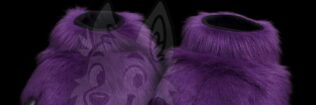
f you’ve ever wondered what are fursuits, what is fursuiting, or fursuit meaning, you’re in the right place. Fursuits are one of the most visible and exciting parts of the furry fandom—a creative, welcoming subculture centered around anthropomorphic (human-like) animal characters.
This beginner’s guide explains everything: from the basics and history to types, costs, why people love them, and how to get started safely. Whether you’re curious about furryfursuit culture or thinking about your first one, let’s dive in!
What Is a Fursuit?
A fursuit is a custom-made costume that represents an anthropomorphic animal character. It’s not just any animal costume—it’s handmade, often from high-quality faux fur, foam, plastic, and other materials, designed to bring your personal “fursona” (your animal avatar or alter ego) to life.
Unlike team mascots (which are usually mass-produced and generic), fursuits are unique to the wearer. They can include detailed features like moving jaws, expressive eyes, ventilation fans for comfort, and custom patterns. A person who wears a fursuit is called a fursuiter.
The term “fursuit” was coined around 1993 by costumer Robert King as a blend of “fur” and “suit” (with a fun pun on “pursuit” for the hobby aspect). Today, fursuits are a big part of furry conventions, parades, photoshoots, charity events, and personal enjoyment.
What Is Fursuiting?
Fursuiting means wearing and performing in a fursuit. It’s like advanced cosplay: you embody your character, interact with others, dance, hug people, join parades, or just have fun being silly and expressive.
Fursuiters often stay “in character” (no talking out-of-suit or breaking immersion), using gestures, head tilts, and body language. It’s a way to escape everyday life, boost confidence, make friends smile, or represent a better version of yourself through your fursona.
Not all furries own or wear fursuits—surveys show only 10-45% do (higher at conventions), as they’re expensive and labor-intensive. Many furries enjoy art, stories, roleplay, or just the community without one.
Why Do People Wear Fursuits?
People wear fursuits for many positive reasons:
- Self-expression & identity — Your fursuit physically brings your fursona to life, letting you be a bolder, cuter, or more adventurous version of yourself.
- Fun & playfulness — It’s silly, creative, and joyful—perfect for conventions, parades, or making others smile (hugs from a giant fluffy animal brighten days!).
- Community & connection — Fursuiting builds bonds at events like Anthrocon (which drew over 18,000 in recent years) or local meets.
- Performance & charity — Many fursuit for dances, fundraisers (furry cons raise thousands for wildlife causes), or entertainment.
- Escapism & confidence — Wearing a suit lets you step away from daily stresses and embrace imagination without judgment.
It’s about creativity, friendship, and fun—not the stereotypes you might see in media.
History of Fursuits & the Furry Fandom
The furry fandom started in the late 1970s–1980s among sci-fi, comic, and animation fans who loved anthropomorphic characters (think Disney’s Robin Hood or underground comics).
- Early 1980s: Informal gatherings at cons; first dedicated furry con (ConFurence Zero) in 1989 with ~65 attendees.
- 1993: Term “fursuit” coined.
- 1990s–2000s: Online communities explode; suits get more elaborate.
- Today (2026): Major cons like Anthrocon draw tens of thousands; fursuits raise charity funds and celebrate diversity.
The culture emphasizes inclusivity, art, and positivity.
Types of Fursuits
Fursuits vary by coverage and style:
- Partial Fursuit — Head, handpaws, tail, footpaws (sometimes armsleeves). Lightweight, cooler, great for beginners. Worn with your clothes.
- Full Fursuit — Complete body coverage (head to toe + bodysuit). Most immersive.
- Plantigrade — Human-like flat feet (easier to wear, cooler, good for long sessions).
- Digitigrade — Padded legs mimicking animal “toe-walking” (more animalistic look, but hotter/heavier).
- Mini Partial — Just head + hands + tail (budget entry).
- Kemono — Anime-inspired (big eyes, short muzzle, cute proportions).
- Protogen / Tech — Cybernetic with LED visors/screens.
- Toony — Cartoonish, exaggerated features (most common).
- Realistic — Detailed, lifelike sculpting.
Many start with a partial or head-only and upgrade later.
How Much Do Fursuits Cost? (2026 Averages)
Custom fursuits are handmade art—prices reflect 100–600+ hours of skilled work.
- Head Only: $1,000–$3,800 (mid-range $1,500–$2,500).
- Partial: $1,500–$6,500 (average $2,200–$4,500).
- Full Plantigrade: $3,500–$9,000+ (average $5,000–$7,500).
- Full Digitigrade: $4,000–$10,000+ (average $6,000–$8,500+).
- Kemono/Protogen: Often $5,000–$12,000+ due to details.
Factors: complexity (colors/markings), maker experience, extras (moving jaw, fans, silicone). Many offer payment plans. Premades can be cheaper ($1,000–$5,000).
For more details, check our full fursuit cost guide.
Can You Make a Fursuit Yourself? (DIY Basics)
Yes—many start with DIY! Use foam bases, faux fur, patterns from online tutorials. It’s rewarding but time-consuming and skill-heavy. Start small (ears/tail) before a head.
For tips and resources, see our DIY fursuit guide.
Where Can You Buy a Fursuit?
Commission from makers (best for custom fit/quality), check marketplaces like The Dealers Den or Etsy for premades, or browse maker sites via getfursu.it.
For trusted options and quotes, explore our where to buy fursuits guide.
FAQs
What does fursuit mean? A custom anthropomorphic animal costume representing your fursona.
Are fursuits only for fun? Mostly yes—creativity, socializing, performance. Some use them therapeutically for confidence.
How hot are they? They can be warm; good makers add fans/cooling. Partials are easier.
Is the fandom welcoming to beginners? Absolutely—everyone starts somewhere!
Fursuits are about joy, imagination, and community. If you’re interested, start by creating a fursona, joining online groups, or attending a local meet.
Ready to learn more? Check our cost or buying guides next!