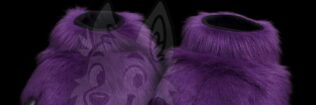
Making your own plushie is one of the most rewarding crafts you can try. Whether you want a cuddly teddy bear, a cute axolotl, a bunny, or a completely custom character, creating a plushie at home lets you personalize every detail while saving money compared to store-bought options.
In this comprehensive 2026 guide, you’ll learn everything from choosing materials to the final stitches. We cover both sewing and no-sew methods so anyone — even complete beginners — can succeed. By the end, you’ll have the confidence to make adorable plushies for gifts, home decor, or your own collection.
Why Make Your Own Plushie?
Homemade plushies offer several advantages:
- Full customization: Choose colors, shapes, sizes, and features exactly as you want.
- Cost-effective: A basic plushie can cost far less than premium store versions.
- Sentimental value: Use old clothes or meaningful fabrics for extra meaning.
- Therapeutic and fun: Sewing or gluing provides a relaxing creative outlet.
- Eco-friendly: Repurpose scraps and reduce new plastic consumption.
Many people start with simple designs and progress to complex ones like sitting human-style figures or detailed animals.
Materials and Tools You’ll Need
Basic Materials:
- Fabric: Fleece, minky, velboa, flannel, or felt are beginner-friendly. Fleece is soft, forgiving, and doesn’t fray easily. Minky gives a luxurious, plush feel but can be slippery.
- Stuffing: Polyester fiberfill (polyfill) is the most common, affordable, and washable option.
- Thread: All-purpose polyester thread in matching colors.
- Eyes, nose, and details: Safety eyes (for children over 3), embroidery floss, fabric paint, or buttons.
Essential Tools:
- Fabric scissors (sharp ones dedicated to fabric only)
- Sewing machine (optional but speeds things up) or hand-sewing needles
- Pins or clips
- Fabric marker, chalk, or pencil for tracing
- Stuffing tool (chopstick, hemostats, or point turner)
- Seam ripper (for mistakes — everyone makes them!)
- Tape measure or ruler
For no-sew projects, you’ll also need fabric glue, hot glue, or rubber bands.
Start small: Many beginners spend under $10–20 on supplies for their first plushie using scraps or affordable fabric from craft stores.
Step-by-Step Guide: How to Make a Plushie (Sewing Method)
Here’s a clear, beginner-friendly process for a simple symmetrical plushie like a bear or bunny.
Step 1: Choose or Create a Pattern Search for free printable plushie patterns online (many sites offer PDFs for bunnies, bears, whales, dragons, and more). Alternatively, draw your own:
- Sketch the shape on paper.
- Fold the paper in half for symmetry and cut one side.
- Trace both sides onto fabric with a ¼–½ inch seam allowance.
Step 2: Cut the Fabric Place the pattern on the wrong side of your fabric. Trace and cut two identical pieces (front and back). For more complex plushies, cut additional pieces for ears, arms, legs, or tummies.
Step 3: Prepare and Sew
- Pin the right sides of the fabric together.
- Sew around the edges using a straight stitch (or zigzag for stretchy fabrics), leaving a 2–3 inch opening for turning and stuffing.
- Clip curves and corners (small snips into the seam allowance) so the plushie turns smoothly without puckering.
- Turn the plushie right-side out using a chopstick or point turner.
Step 4: Stuff It Push small pieces of polyfill into corners first, then fill the body. Use a chopstick to reach tight spots. Stuff firmly but not so tightly that seams strain. Close the opening with a ladder stitch or whip stitch for an invisible finish.
Step 5: Add Details and Face
- Attach ears, arms, or tails if separate.
- Embroider or paint the face (eyes, mouth, nose).
- Add safety eyes or buttons securely.
- Optional: Sew on clothing, bows, or accessories made from scrap fabric.
Pro Tips for Better Results:
- Use more pins than you think you need, especially around curves.
- Sew slowly on curves.
- Stuff in stages — head first, then body and limbs.
- For minky or furry fabrics, trim the pile from seam allowances to reduce bulk.
No-Sew Plushie Methods (Perfect for Kids or Quick Projects)
If you don’t have a sewing machine or prefer faster results, try these techniques:
Sock Plushie Method:
- Fill a colorful sock with stuffing.
- Tie sections with rubber bands to create head, body, and limbs.
- Glue or tie on ears, eyes, and details made from felt or fabric scraps.
Felt or Fabric Glue Method:
- Cut shapes from felt (which doesn’t fray).
- Glue layers together with fabric glue or hot glue.
- Add stuffing between layers before sealing.
No-Sew Stuffed Animal Hacks:
- Use old pillows or clothing as base.
- Glue seams or use fabric tape for quick assembly.
- Decorate with markers, patches, or iron-on transfers.
These methods work great for simple shapes like hearts, stars, or basic animals and are ideal for young crafters.
Customization Ideas to Make Your Plushie Unique
- Clothes: Sew or glue tiny outfits from scrap fabric.
- Hair or Mane: Use yarn, fleece strips, or embroidery floss.
- Scent: Add a drop of essential oil or a fabric-safe sachet inside.
- Sound: Insert a small bell or crinkle paper (for babies).
- Personalization: Embroider names, dates, or messages.
- Theme Ideas: Kawaii-style big heads, fantasy creatures (unicorns, dragons), or memory plushies from baby clothes.
Advanced makers create jointed plushies with buttons or use different fabrics for contrast (e.g., a soft belly on a furry body).
Common Mistakes to Avoid
- Forgetting seam allowance when cutting.
- Overstuffing, which distorts the shape.
- Not clipping curves, leading to lumpy results.
- Using dull scissors on plush fabric.
- Placing safety eyes too loosely (always secure properly for safety).
Start with a very simple pattern for your first project. Practice on cheap fabric before using premium minky.
How Much Does It Cost to Make a Plushie?
A basic homemade plushie usually costs $5–15 in materials, compared to $16–$90+ for similar store experiences with add-ons. Larger or more detailed ones may cost $20–40 but still offer better value and uniqueness.
Care Instructions for Your Homemade Plushie
- Spot clean with mild soap and water.
- For machine-washable versions, use a gentle cycle in a pillowcase.
- Air dry or tumble on low.
- Avoid submerging if it contains glued elements or electronics.
Final Thoughts: Start Making Plushies Today
Making a plushie at home is easier than most people think. With basic supplies, a free pattern, and a bit of patience, you can create something truly special in just a few hours.
Gather your materials, pick a simple pattern, and begin. Your first plushie might not be perfect — and that’s okay! Each one gets better, and the process is half the fun.
Whether you’re crafting for a child, a friend, or yourself, homemade plushies bring joy that lasts. Grab some fabric, thread, and stuffing, and let your creativity come to life.
What kind of plushie will you make first — a classic teddy, a fantasy creature, or something completely original? Share your plans or finished projects in the comments below!