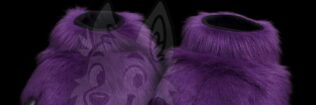
Kemono fursuits represent a vibrant and unique subset of the furry fandom, blending Japanese anime aesthetics with anthropomorphic animal costumes. These suits are known for their cute, exaggerated features and have gained popularity worldwide. This article delves into their origins, characteristics, and practical aspects to provide a comprehensive overview.
What is a Kemono Fursuit?
A kemono fursuit is a type of costume that embodies anthropomorphic animals in a style inspired by Japanese anime and manga. The term “kemono” translates to “beast” in Japanese, and these suits often feature large eyes, small muzzles, and fluffy, pastel-colored fur to evoke a “kawaii” (cute) appearance. Unlike more realistic or cartoonish Western fursuits, kemono designs prioritize expressive, chibi-like proportions that appeal to fans of Japanese pop culture.
Kemono fursuits can be full-body suits (fullsuits), partial suits (including heads, paws, and tails), or just heads. They are handmade using materials like faux fur, foam, and sometimes 3D-printed components for eyes and structures. Prices for custom fullsuits typically range from $2,000 to $7,000, depending on the maker and complexity.

Origins of Kemono Style in the Furry Fandom
The kemono style emerged in the late 1990s in Japan as a local interpretation of the Western furry fandom. It originated from self-published fan works (doujinshi) at events like Comiket, where artists created anthropomorphic characters influenced by anime. The archetype was developed as Japan’s take on furry culture, with “kemono” referring to beast-like characters and fans known as “kemoners.”
While the broader furry fandom traces roots to works like Disney animations and novels from the 1960s and 1970s, kemono specifically draws from Japanese media, such as animal characters in manga. Over time, it has overlapped with global furry communities, with kemono fursuits becoming popular through online platforms and conventions.
Differences from Traditional Toony Fursuits
Kemono fursuits differ significantly from standard toony fursuits in construction and wear. They often use custom expanding foam bases for the head, 3D-printed PLA eye blanks with acrylic domes, and built-in fans for ventilation near the ears. These features make them lighter and more breathable but also more delicate—kemono heads are not machine-washable and require spot cleaning due to electronic components and acrylic parts.
In style, kemono suits emphasize anime-like cuteness with oversized eyes and minimalistic muzzles, whereas toony suits might have more exaggerated cartoon features or realistic elements. Kemono designs are typically digitigrade (toe-walking) and avoid plantigrade (flat-footed) styles.
Popular Makers and Where to Buy Kemono Fursuits
Finding a reputable kemono fursuit maker involves research to avoid scams. Popular platforms include:
- The Dealers Den: A trusted site for custom commissions, with listings from makers like Handmade Lucky.
- Etsy and DeviantArt: Offer handmade options, but verify reviews.
- Japanese and Chinese Makers: Studios like Kigurumi Kagetsu, K-Line, Furmony, Mofumofu, and Dokidoki provide high-quality suits, often at $3,000–$5,000. Kemonokapi (Canada-based) is noted for premium craftsmanship.
- Other Sites: Meow Fursuits, Skyehigh Studios, and Telegram groups for Chinese makers.
Tips: Use Reddit communities like r/fursuit for recommendations, check Fursuit Review databases, and be cautious of knockoffs. International shipping may add tariffs.
How to Make a Kemono Fursuit
Creating your own kemono fursuit requires skills in sewing, sculpting, and electronics. Start with a foam base for the head, add faux fur, and incorporate 3D-printed eyes. Tutorials on YouTube, such as those from Skyehigh Studios or personal makers, guide the process.
For beginners, kits or partial builds from sites like Amazon can serve as a starting point, though custom designs are preferred for authenticity.
Care and Maintenance of Kemono Fursuits
Due to their delicate components, kemono fursuits need careful handling. Spot clean fur with mild soap, avoid submerging heads in water, and store in a cool, dry place. Ventilation fans should be checked regularly to prevent overheating during wear.
The Kemono Community and Culture
Kemono enthusiasts gather at conventions, online forums like FurAffinity and Reddit, and doujin events in Japan. The style fosters creativity, with fans sharing designs on Pinterest and TikTok. It’s a welcoming space for expressing identity through adorable, beast-like personas.
In summary, kemono fursuits offer a charming bridge between anime and furry worlds, appealing to those seeking cute, expressive costumes. Whether buying or making one, prioritize quality and community resources for the best experience.