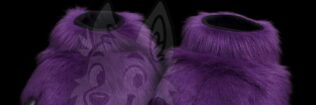
The furry fandom, often affectionately (and sometimes playfully) referred to in doubled terms like “furry furry” by enthusiasts emphasizing their passion, is one of the most vibrant, creative, and misunderstood subcultures in the world today. As of February 2026, with major conventions like Anthrocon, Midwest FurFest, and Furry Weekend Atlanta drawing tens of thousands, the fandom continues to thrive online and offline. Whether through art, stories, fursuits, roleplay, or simple appreciation of anthropomorphic characters, “furry furry” captures the enthusiastic, double-dose love many feel for this unique community.
In this in-depth blog (approximately 2,850 words), we’ll unpack what the furry fandom truly is, its history, core elements, common misconceptions, global reach (including perspectives for someone in Karachi, Pakistan), the role of conventions, online spaces, creativity, challenges, and why it remains a powerful space for self-expression and belonging in 2026.
What Does “Furry” (or “Furry Furry”) Really Mean?
At its core, a furry is someone with a strong interest in anthropomorphic animals—fictional characters that combine animal features with human traits like walking upright, speaking, wearing clothes, expressing complex emotions, and living human-like lives. Think classic examples: Bugs Bunny outsmarting Elmer Fudd, Disney’s Robin Hood as a sly fox, or modern creations like Sonic the Hedgehog and Judy Hopps from Zootopia.
The term “furry” emerged in the early 1980s within science fiction and comic fan circles. By the mid-1990s, it solidified as “the organized appreciation and dissemination of art and prose regarding ‘furries’.” Fans often create their own characters, called fursonas—personal animal avatars that represent aspects of their identity, personality, or ideals. A fursona might be a blue wolf for someone adventurous, a red panda for a shy creative type, or something entirely fantastical like a dragon-wolf hybrid.
When people say “furry furry,” it’s often a lighthearted way to double down on enthusiasm—like saying “I’m really, really into this!” It appears in memes, excited social media posts, song remixes (e.g., Endigo’s viral “FURRY!” track from 2018, still circulating in 2026), and community chants celebrating the fandom’s playful spirit.
The fandom isn’t just about liking cute animals; it’s a creative outlet. Members commission art, write stories, build fursuits (full or partial animal costumes), roleplay in virtual worlds, and connect with others who share similar interests.
A Brief History of the Furry Fandom
The roots trace back to early 20th-century anthropomorphic works—Disney animations, Carl Barks’ duck comics, and underground comics. The modern fandom crystallized in the 1980s:
- 1980: Early mentions in sci-fi letter columns.
- 1983: First uses of “furry” in fanzines.
- 1990: alt.fan.furry Usenet group launches, marking online organization.
- Mid-1990s: Conventions begin (e.g., early gatherings leading to Anthrocon in 1997).
- 2000s–2010s: Explosion via FurAffinity (launched 2005), YouTube, and social media.
- 2020s: Mainstream visibility through viral videos, TikTok trends, and record con attendance (Midwest FurFest surpassing 16,000+ in recent years).
By 2026, the fandom is global, with active communities in North America, Europe, Asia (including growing scenes in China, Japan, and Taiwan), South America, and beyond. Online platforms like Telegram groups, Discord servers, Bluesky, and X remain central hubs.
Key Elements of Furry Culture
- Fursonas and Self-Expression Creating a fursona is often the entry point. It’s a safe way to explore identity—many LGBTQ+ individuals find the fandom welcoming for gender expression and transition stories. In 2026, diversity is a strength: fursonas span species, orientations, and aesthetics.
- Art and Creativity The fandom is artist-driven. Platforms like FurAffinity host millions of pieces—digital paintings, comics, animations. Artists sell commissions, badges, stickers, and prints. In recent years, AI tools have sparked debates, but hand-drawn work remains cherished.
- Fursuits and Costuming Fursuits range from simple ears/tails to complex full suits costing thousands. They’re worn at cons for parades, photos, and dances. Not all furries suit—estimates suggest 10–20% do regularly.
- Conventions (“Cons”) The heartbeat of the fandom. Major 2026 events include:
- Anthrocon (Pittsburgh, July 2–5: “Critters, Cryptids & Curses”)
- Midwest FurFest (Chicago area, massive attendance)
- Furry Weekend Atlanta (May)
- Texas Furry Fiesta (Dallas, March) Smaller or themed cons like AquatiFur (waterpark) add variety.
- Online Communities Telegram and Discord dominate for chats, roleplay, and meetups. X accounts like retweet bots keep art circulating. International furries connect across time zones.
Global Reach: Furry Fandom in Pakistan and Beyond
From Karachi, accessing the fandom is easier than ever in 2026. While no major cons exist in South Asia yet, online communities thrive—Telegram groups for South Asian furries, Discord servers with regional channels, and platforms like FurAffinity welcome global members.
Challenges for Pakistani furries:
- Internet restrictions or cultural stigma around niche hobbies.
- Travel to US/EU cons requires visas, flights (~$1,000–$2,000 round-trip), and budgeting.
- Time zones make live events tricky (US cons often late-night PKT).
Positives:
- Fully online participation—art sharing, virtual roleplay, VRChat events.
- Growing Asian scenes (e.g., FurryTeaParty in Taiwan, February 2026).
- Affordable entry: Free accounts on art sites, low-cost digital commissions.
Many international furries start online, commission local or global artists, and attend when possible. The fandom’s inclusivity makes it a welcoming space regardless of location.
Common Misconceptions and Realities
The fandom faces stereotypes—often from media sensationalism:
- Myth: It’s all about sex/adult content. Reality: Adult themes exist (like any fandom), but most is SFW art, stories, and friendship. Many spaces are all-ages.
- Myth: Furries think they’re animals or want to be them. Reality: Most enjoy the fantasy/creative aspect; few claim literal identity shifts.
- Myth: It’s a small, fringe group. Reality: Estimates suggest hundreds of thousands worldwide, with cons breaking records.
Research (e.g., from Furscience) shows furries are diverse—average age ~23–30, higher LGBTQ+ representation, often in creative/tech fields.
Challenges and Growth in 2026
Issues include:
- Online harassment or “anti-furry” memes.
- Debates over AI art.
- Convention logistics (post-pandemic recovery, costs).
Positives:
- Increased mainstream acceptance (e.g., Zootopia sequels, positive coverage).
- Strong charitable impact—cons raise significant funds.
- Innovation in virtual events and tools.
Why the Fandom Endures
“Furry furry” enthusiasm stems from belonging. In a world that can feel isolating, creating a character, sharing art, or suiting up lets people express joy, vulnerability, and creativity freely. It’s escapism, community, and self-discovery rolled into one.
For newcomers (especially from places like Karachi): Start small—make a fursona, join SFW groups, browse art. The fandom rewards kindness and creativity.
In 2026, furry furry isn’t just a hobby—it’s a global celebration of imagination. Whether you’re drawing your first wolf, commissioning a badge, or dreaming of your first con, the fandom welcomes you with open paws.
FAQS
A subculture centered on interest in anthropomorphic animal characters—people create fursonas, art, stories, fursuits, and connect at cons or online.
It’s playful emphasis (like “super furry”) used in memes, songs, and excited posts to show extra enthusiasm for the fandom.
No—only a minority do regularly. Most enjoy art, writing, roleplay, or casual appreciation.
🐾 🐾 🐾
✦ Commissions Open ✦Dream It. Fur It. Live It.
Get your custom fursuit, kemono suit, plush, or cosplay — handcrafted just for you. Free quote, no commitment!