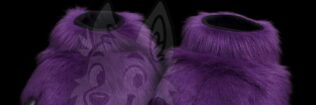
Fursuits are the most iconic and instantly recognizable element of the furry fandom. A fursuit is a costume designed to represent an anthropomorphic animal character (a fursona), typically covering the head, body, hands, feet, and tail to create a full-body animal persona. Fursuits range from simple partials (just head, paws, and tail) to elaborate fullsuits with complex animatronics, LED lighting, cooling systems, and lifelike fur patterns. In 2026, fursuiting remains the most visible and celebrated aspect of furry culture, appearing at conventions, parades, charity events, online videos, and even mainstream media.
This comprehensive guide explores the history of fursuits, types and styles, construction techniques, costs, builders and makers, care and maintenance, fursuit performance (including conventions and parades), community culture around suiting, ethical and safety considerations, and the future of fursuit technology in 2026. Whether you’re considering commissioning your first suit, curious about the craft, or simply want to understand why thousands of people invest thousands of dollars in these creations, read on.
1. What Exactly Is a Fursuit?
A fursuit is a wearable costume that transforms the wearer into their fursona—an anthropomorphic (human-like) animal character. Unlike mascot costumes (used by sports teams or theme parks), fursuits are highly individualized:
- Custom-built — Almost always made specifically for one person and one fursona.
- Expressive — Designed to convey personality through eyes, expressions, colors, markings, and accessories.
- Performative — Worn for social interaction, dancing, parades, photos, or charity appearances.
- Comfort-focused (ideally) — Good suits include ventilation, cooling fans, lightweight materials, and ergonomic design.
Fursuits fall into two main categories:
- Fullsuit — Complete body coverage (head, body, hands, feet, tail).
- Partial — Head + handpaws + feetpaws + tail (most common and affordable entry point).
Other variants include:
- Three-quarter — Head, arms, legs, but no full torso suit.
- Mini-partial — Just head and tail.
- Digitigrade — Legs built to mimic animal stance (bent backward knees).
- Plantigrade — Human-like flat feet.
2. Brief History of Fursuits
The modern fursuit traces its roots to the early furry fandom:
- 1980s–early 1990s — Early furries wore simple animal ears/tails at sci-fi cons. Homemade costumes appeared at ConFurence (first furry con, 1989).
- Mid-1990s — Pioneers like Mixed Candy (Don and Donna) and Fursuiter (early builders) started making foam-based heads with moving jaws and expressive eyes.
- 2000s — Fursuiting exploded at Anthrocon, Further Confusion, and Midwest FurFest. Builders like Clockwork Creatures, Fursuit Enterprise, and OneFurAll set standards.
- 2010s — Digitigrade suits became mainstream. Materials improved (soft foams, luxury faux fur). LED eyes, cooling fans, and animatronics appeared.
- 2020s — Pandemic forced virtual suiting (VRChat avatars), but in-person demand surged post-2022. 2026 sees widespread use of 3D-printed bases, moisture-wicking liners, lightweight resins, and smart cooling systems.
3. Types & Styles of Fursuits
By Coverage
- Fullsuit (~$4,000–$15,000+)
- Partial (~$1,500–$6,000)
- Head-only (~$800–$3,500)
By Leg Style
- Plantigrade — Human feet (cheaper, easier to walk)
- Digitigrade — Animal stance (more immersive, harder to balance)
By Expression
- Static jaw — Fixed mouth
- Movable jaw — Opens/closes (manual or animatronic)
- Follow-me eyes — Eyes follow head movement (advanced mechanics)
By Realism
- Toony — Cartoonish, big eyes, exaggerated features
- Realistic — Lifelike fur, detailed musculature
- Semi-toony — Blend of both
Special Features
- LED eyes/lighting
- Cooling fans/battery packs
- Posable tails
- Animatronic ears/tongues
- Voice modulation
4. How Fursuits Are Made – Materials & Process
Materials
- Base — EVA foam, resin 3D prints, fibreglass, or upholstery foam
- Fur — High-quality faux fur (Long pile, short pile, luxury brands like Shannon Fabrics)
- Eyes — Plastic domes, resin casts, or LED screens
- Jaw — Plastic, resin, or 3D-printed mechanisms
- Cooling — USB fans, ice packs, moisture-wicking liners
- Frame — Plastic boning, PVC, or carbon fiber for digitigrade legs
Typical Process (Commission)
- Design approval — Client sends reference sheet (fursona art)
- Measurements — Head, body, hand/foot sizes
- Sculpting — Foam/resin head base carved or 3D printed
- Fur patterning — Fur cut and sewn to pattern
- Assembly — Fur glued/sewn over base, eyes/jaw installed
- Details — Airbrushing, shading, whiskers, claws
- Fittings — Client tries suit (in-person or video)
- Final tweaks — Adjustments for comfort/movement
Timeline — 6–18 months typical for fullsuits; 3–9 months for partials.
5. Cost Breakdown (2026 Prices)
- Head-only — $800–$3,500 (average $1,800)
- Partial — $1,500–$6,000 (average $3,000–$4,000)
- Fullsuit — $4,000–$15,000+ (average $7,000–$10,000)
- Digitigrade legs — +$1,000–$3,000
- LEDs/animatronics — +$500–$2,000
- Rush fees — +20–50%
Budget options — Mini-partials ($500–$1,200), maker collectives, or used suits (Fursuit Exchange groups).
6. Popular Builders & Makers in 2026
Top-tier (long waitlists, high prices):
- Mixed Candy
- Clockwork Creatures
- Fursuit Enterprise
- OneFurAll
- Beastcub Creations
- Canine Hybrid
Mid-tier (good quality, 6–12 month waits):
- Phoenix Collective
- Furry Tailor
- East Coast Fursuits
- Many independent makers on Etsy/FurAffinity
Budget/DIY:
- Maker groups (Discord communities)
- Tutorials on YouTube (foam head carving, fur sewing)
7. Fursuit Performance & Conventions
Fursuiting is most visible at conventions:
- Parades — Anthrocon’s massive downtown parade, Midwest FurFest block party
- Dances — Fullsuit dances with cooling breaks
- Charity — Many suiters do hospital visits, fundraisers
- VR — Virtual fursuits in VRChat (Furality, Virtual Anthrocon)
Safety Tips:
- Hydrate constantly
- Use cooling fans/packs
- Take breaks in headless lounges
- Buddy system
- Avoid heatstroke (monitor temp)
8. Care & Maintenance
- Cleaning — Spot clean fur with mild soap; brush regularly; air dry
- Storage — Cool, dry place; hang head on stand; avoid crushing
- Repairs — Many makers offer lifetime touch-ups
- Upgrades — Add fans, LEDs, or new fur later
9. Community Culture & Ethics
- Fursuit etiquette — Ask before hugging, no touching without permission
- Headless lounges — Safe spaces to unmask
- Suiting ethics — Avoid hot environments, respect boundaries
- Fursuiter culture — Strong camaraderie; many suiters form lifelong friendships
10. The Future of Fursuits in 2026 & Beyond
- Tech advances — Lighter foams, better cooling, 3D-printed internals, smart fabrics
- Sustainability — Recycled faux fur, eco-friendly dyes
- VR integration — Hybrid physical/virtual suiting
- Accessibility — More affordable partials, DIY resources
Fursuits remain the ultimate expression of furry identity—turning a fursona from 2D art into a living, breathing presence.
Do you have a fursona you’d love to suit one day? Already have a suit or thinking about commissioning? What’s your dream style (toony, realistic, digitigrade)? Share below—love hearing your thoughts! 🐾🎭
FAQS
A fursuit is a custom costume that lets someone become their anthropomorphic animal character (fursona). It usually includes a head, handpaws, feetpaws, tail, and often a full body suit. It’s highly personalized and expressive, unlike generic mascot costumes.
Prices vary widely: head-only ($800–$3,500), partial ($1,500–$6,000), fullsuit ($4,000–$15,000+). Digitigrade legs, LEDs, animatronics, or rush fees add $500–$3,000. Budget options (mini-partials, used suits) start ~$500.
Partial = head + handpaws + feetpaws + tail (cheaper, easier to wear). Fullsuit = complete body coverage (more immersive, hotter, more expensive). Three-quarter suits are a middle ground.
🐾 🐾 🐾
✦ Commissions Open ✦Dream It. Fur It. Live It.
Get your custom fursuit, kemono suit, plush, or cosplay — handcrafted just for you. Free quote, no commitment!