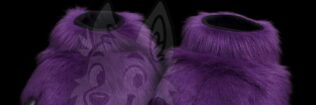
In a world where identity is increasingly fluid and multifaceted, concepts like therianthropy challenge our traditional understandings of self. If you’ve ever scrolled through social media platforms like TikTok, Reddit, or Discord and stumbled upon users donning animal ears, tails, or masks while discussing “shifts” or “phantom limbs,” you might have encountered therians. But what exactly is a therian? At its core, a therian is an individual who identifies, on a non-physical level, as a non-human animal. This identification isn’t about role-playing or costume-wearing for fun; it’s a profound, often spiritual or psychological connection to an animal species.
Therianthropy, the term used to describe this phenomenon, derives from the Greek words “therion” (meaning beast) and “anthropos” (meaning human). It’s part of a broader umbrella known as otherkin, where people identify as non-human entities, but therians specifically focus on earthly animals rather than mythical creatures like dragons or elves. Therians believe that their soul, mind, or essence is partially or wholly that of an animal, leading to experiences that blur the lines between human and beast.
This blog post aims to explore therianthropy in depth, from its definitions and origins to the lived experiences of therians, community dynamics, psychological interpretations, and common misconceptions. We’ll delve into why this identity resonates with so many, particularly young people, and how it fits into modern discussions of neurodiversity, mental health, and self-expression. By the end, you’ll have a comprehensive understanding of what it means to be a therian in today’s world. Whether you’re curious, skeptical, or perhaps recognizing something in yourself, let’s embark on this journey.
The Origins and History of Therianthropy
To truly grasp what a therian is, we must trace its roots. Therianthropy isn’t a new-age fad born from the internet; its conceptual foundations stretch back millennia. Ancient mythologies and folklore are rife with stories of humans transforming into animals or possessing animal spirits. Think of the werewolf legends in European folklore, the skin-walkers in Native American traditions, or the animal-headed gods in Egyptian mythology like Anubis, the jackal-headed deity. These narratives reflect a deep-seated human fascination with transcending our species boundaries.
In shamanistic practices across indigenous cultures, shamans often “shape-shift” into animals during rituals to gain wisdom or power from the natural world. For instance, in Siberian shamanism, practitioners might embody wolves or bears to connect with ancestral spirits. Similarly, in African and Australian Aboriginal traditions, totemic animals represent clan identities, where individuals feel a spiritual kinship with specific creatures.
The modern therian movement, however, crystallized in the late 20th century with the advent of the internet. The term “therianthrope” was popularized in the 1990s on Usenet groups like alt.horror.werewolves (AHWW), where people shared experiences of feeling like animals. What started as discussions about werewolf fiction evolved into personal testimonies of non-fictional animal identities. By the early 2000s, dedicated forums like The Werelist and Therian Guide emerged, providing safe spaces for therians to connect.
The rise of social media in the 2010s amplified therian visibility. Platforms like Tumblr and DeviantArt allowed for artistic expressions, while TikTok’s short-form videos made “therian shifts” go viral. Today, therian communities thrive on Discord servers, Reddit subreddits (e.g., r/Therian), and Instagram, with hashtags like #TherianPride garnering millions of views. This digital evolution has democratized therianthropy, making it accessible to a global audience, including those in non-Western countries where traditional animal spirit beliefs might overlap with modern interpretations.
Historically, therianthropy has intersected with other subcultures. For example, it’s often confused with the furry fandom, which began in the 1980s at sci-fi conventions. While furries create anthropomorphic animal characters for art and role-play, therians view their identity as inherent rather than chosen. Despite overlaps—many therians are also furries—the distinctions are crucial.
In terms of demographics, therian communities skew young, with surveys from sites like The Therian Census (an informal online poll) indicating that most participants are between 13 and 25 years old. This youthfulness might stem from adolescence being a time of intense self-discovery, where questioning one’s humanity feels natural amid hormonal changes and societal pressures.
Defining Therian: Core Concepts and Experiences
So, what does it mean to be a therian in practical terms? Therians describe their identity as an integral part of their being, not a delusion or pretense. It’s often categorized into spiritual therianthropy (believing one’s soul is animal) and psychological therianthropy (attributing it to brain wiring or neurodivergence).
A key aspect is the “theriotype,” the specific animal a therian identifies as. Common theriotypes include wolves (the most popular, perhaps due to cultural associations with pack loyalty and wilderness), cats, foxes, and birds. Some therians are “polytherians,” identifying with multiple animals, while others are “cladotherians,” connecting to a broader clade like all felines rather than a single species.
Therians frequently experience “shifts,” temporary changes in perception or behavior that align more closely with their theriotype. There are several types:
- Mental Shifts: A change in mindset where human thoughts give way to animalistic instincts. For a wolf therian, this might involve heightened pack loyalty or a urge to howl.
- Phantom Shifts: Sensing non-existent body parts, like tails, ears, or wings. This is akin to phantom limb syndrome in amputees, where the brain maps “missing” parts.
- Dream Shifts: Experiencing life as their theriotype in dreams, often vividly.
- Astral Shifts: In spiritual contexts, projecting one’s consciousness into an animal form during meditation or out-of-body experiences.
- Sensory Shifts: Enhanced or altered senses, such as a keener sense of smell or a preference for raw foods.
These shifts aren’t constant; therians live as humans most of the time, holding jobs, relationships, and responsibilities. However, shifts can be triggered by stress, nature immersion, or even music. For many, gear like tails, masks, or collars (known as “therian gear”) helps express or induce shifts, serving as a form of self-soothing.
Therian identity often intersects with neurodiversity. Many therians report co-occurring conditions like autism, ADHD, or anxiety. A 2019 survey on The Werelist found that over 60% of respondents identified as neurodivergent, suggesting therianthropy might be a coping mechanism or a way to frame atypical experiences. For instance, sensory sensitivities in autism could manifest as “animal-like” perceptions.
Coming out as a therian can be challenging. Family and friends might dismiss it as a phase or mental illness. Yet, for therians, acknowledging this identity brings relief and authenticity. As one anonymous therian shared on Reddit: “It’s like finally understanding why I’ve always felt out of place in my own skin—I’m not broken; I’m just part wolf.”
Therians vs. Related Identities: Clarifying the Boundaries
Therianthropy is often lumped with other alternative identities, leading to confusion. Let’s delineate the differences.
First, otherkin: This is the broader category encompassing therians. Otherkin identify as non-human entities, including mythical beings (kin-types like elves, vampires, or angels). Therians are a subset focused on real, extant or extinct animals. A dragonkin is otherkin but not therian; a dinosaur therian (identifying as a T-Rex) blurs lines but typically falls under therian if it’s earthly.
Furries: The furry fandom is a creative community centered on anthropomorphic animals. Furries design “fursonas” for art, stories, and conventions. While some furries are therians (identifying spiritually with their fursona), most see it as hobby or escapism. Therians don’t necessarily engage in furry activities; their identity is internal, not performative.
Then there’s lycanthropy, often associated with clinical lycanthropy—a rare psychiatric condition where someone believes they can physically transform into a wolf. Therians emphasize non-physical identification; they know they’re human-bodied and don’t claim shape-shifting abilities.
Animal role-players or pet players in BDSM contexts differ too—these are consensual, temporary activities for fun or intimacy, not core identities.
In pop culture, therians appear subtly. Movies like “The Shape of Water” explore human-animal bonds, while books like “Animorphs” series tap into transformation fantasies. However, media often sensationalizes therians as “weird” or “delusional,” perpetuating stigma.
Globally, therianthropy varies. In Western countries, it’s tied to individualism and online culture. In places like India or Africa, it might blend with reincarnation beliefs or animism, where animal souls are common in folklore.
The Therian Community: Building Connections in a Human World
Therians aren’t solitary creatures; community is vital. Online spaces foster belonging, where therians share art, stories, and advice. Discord servers like Therian Haven host voice chats for “howls” or discussions. Reddit’s r/Therian has over 20,000 members, offering resources like glossaries and support threads.
Events like “howls” (meetups in nature) allow in-person connections, though rare due to privacy concerns. Therian pride symbols include the theta-delta symbol (ΘΔ), representing change and duality.
Challenges include gatekeeping—some “old guard” therians dismiss younger ones as “trend followers.” Toxicity arises from debates over “valid” theriotypes (e.g., exotic vs. common animals).
Positively, the community promotes mental health. Many therians use journaling or meditation to manage shifts, and peer support helps combat isolation.
Inclusivity is growing; therians from diverse backgrounds, including LGBTQ+ individuals (high overlap, with many therians being queer), enrich discussions. A 2022 informal poll showed 70% of therians identify as non-binary or transgender, possibly because both involve bodily dissonance.
Psychological and Scientific Perspectives on Therianthropy
From a psychological lens, therianthropy isn’t classified as a disorder in the DSM-5. It’s viewed as a harmless identity, similar to gender identity. Some psychologists link it to “species dysphoria,” akin to gender dysphoria, where one’s body feels mismatched with their inner self.
Research is sparse, but studies like those in the Journal of Psychology suggest therian experiences resemble altered states in meditation or hypnosis. Neuroimaging could reveal brain patterns similar to synesthesia, where senses blend.
Critics argue it’s escapism from trauma; many therians report childhood abuse or bullying, using animal identities as armor. However, therians counter that it’s innate, not reactive.
Evolutionary psychology posits humans retain animal instincts from our primate ancestors, and therianthropy amplifies these.
Therapy can help if shifts interfere with life, but affirming therapists are key—pathologizing therianthropy harms more than helps.
Misconceptions, Stereotypes, and Societal Views
Misconceptions abound. One is that therians think they can physically transform—no, they don’t. Another: it’s just for attention. While some TikTok videos seem performative, core therians seek understanding, not fame.
Stereotypes paint therians as immature teens in costumes, ignoring adults in professional fields. Media like Vice documentaries often sensationalize, focusing on extremes.
Society views therianthropy through skepticism, but as acceptance of diverse identities grows (e.g., non-binary genders), therians hope for similar normalization.
Bullying is real; therians face online harassment, called “furries” derogatorily or accused of bestiality (a gross falsehood—therians respect animals ethically).
Education combats this. Blogs like this demystify therianthropy, showing it’s about self-acceptance.
Personal Stories and Experiences: Voices from the Therian World
To humanize therianthropy, consider hypothetical stories based on common narratives.
Take Alex, a 22-year-old wolf therian. From childhood, Alex felt urges to run on all fours, sensing a phantom tail. In teens, online forums revealed therianthropy. Now, Alex uses hiking to manage shifts, finding peace in forests.
Or Maya, a cat therian with autism. Phantom whiskers help her navigate sensory overload. Community support affirmed her identity.
These stories highlight diversity—therians are students, artists, engineers. Experiences vary: some have vivid memories of past animal lives, others see it psychologically.
Challenges include relationships; partners must understand shifts. Positives: enhanced empathy for animals, leading to activism in conservation.
The Future of Therianthropy: Trends and Evolutions
As technology advances, VR could allow therians to “embody” theriotypes virtually. AI art generates theriotype visuals, aiding expression.
Growing visibility might lead to academic studies, destigmatizing therianthropy.
Inclusivity efforts address cultural appropriation, ensuring respect for indigenous beliefs.
Ultimately, therianthropy reflects humanity’s quest for connection beyond the self.
Conclusion: Embracing the Beast Within
Therianthropy is a rich, complex identity inviting us to question what it means to be human. From ancient myths to modern memes, therians remind us of our animal roots. Whether spiritual, psychological, or both, being a therian is about authenticity in a conforming world.
If this resonates, explore communities safely. Remember, identities evolve—therian or not, self-discovery is universal.
Thank you for reading. Share your thoughts below!
FAQS
Therianthropy is the experience or state of being a therian. The word comes from Greek (“therion” = beast + “anthropos” = human), meaning a human with a beastly/animal aspect to their self.
No. Therians know they have human bodies and cannot biologically transform. Claims of physical shifting are not part of accepted therianthropy.
🐾 🐾 🐾
✦ Commissions Open ✦Dream It. Fur It. Live It.
Get your custom fursuit, kemono suit, plush, or cosplay — handcrafted just for you. Free quote, no commitment!
Definitely consider that that you stated.
Your favorite justification appeared to be at the internet
the easiest factor to take into account of. I say to you,
I certainly get irked while people think about issues that they plainly do
not recognise about. You managed to hit the nail upon the
highest as smartly as outlined out the entire thing without having
side effect , other people could take a signal.
Will likely be back to get more. Thanks