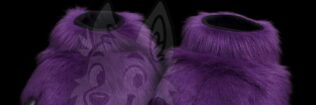
Sewing is one of the most important skills in fursuit making. Whether you’re working on a head, paws, tail, or full body suit, learning how to sew a fursuit properly will determine how strong, comfortable, and professional your final suit looks.
This guide is a skill-based, practical support page focused on sewing techniques specifically for fursuits—from handling fake fur to avoiding common beginner mistakes.
Do You Need a Sewing Machine for a Fursuit?
Short answer: Yes, highly recommended.
While small details can be hand-sewn, a sewing machine makes fursuit construction:
- Stronger
- Faster
- Cleaner
- More durable for performance wear
Hand Sewing vs Machine Sewing
Hand sewing is okay for:
- Small repairs
- Closing seams (ladder stitch)
- Detail work
Machine sewing is best for:
- Long seams
- Fake fur
- Stress areas (crotch, shoulders, feet paws)
💡 A basic home sewing machine is enough—you don’t need an industrial one.
Best Stitch Types for Fake Fur
Fake fur behaves differently from regular fabric. Using the right stitch matters.
1. Straight Stitch
- Best for most seams
- Stitch length: 3–4 mm
- Avoid tiny stitches (they tear fur backing)
2. Zigzag Stitch
- Adds flexibility
- Great for stretch areas
- Helps prevent seam popping
3. Ladder Stitch (Hand Stitch)
- Invisible finish
- Ideal for closing seams after stuffing or padding
💡 Always backstitch at the start and end of seams.
Sewing Fursuit Heads vs Bodies
Different parts of a fursuit require different sewing approaches.
Sewing a Fursuit Head
- Short-pile fur is easier for faces
- Trim seam allowance before turning inside-out
- Hand sew around eyes, mouth, and nose
- Shave fur after sewing for cleaner lines
Precision matters more than strength here.
Sewing a Fursuit Body
- Use longer stitch lengths
- Reinforce stress points
- Sew lining and fur separately, then attach
- Always test fit before final stitching
Body seams take the most abuse—sew accordingly.
Common Sewing Mistakes (and How to Avoid Them)
❌ Sewing Against Fur Direction
✔ Always align pile direction downward
❌ Cutting Fur with Scissors
✔ Use a razor or craft blade from the backing side
❌ Skipping Test Fits
✔ Pin or baste first, then sew
❌ Weak Seams
✔ Reinforce high-stress areas with zigzag or double stitching
Most beginner issues are fixable—don’t panic.
Best Fake Fur for Sewing
Not all fake fur is fursuit-friendly.
What to Look For
- Strong fabric backing
- Minimal shedding
- Consistent pile length
- Stretch only where needed
Recommended Types
- Luxury shag fur
- Beaver/seal fur (short pile)
- Howl or teddy fur
Avoid cheap costume fur—it frays, sheds, and rips easily.Final Thoughts
Learning how to sew a fursuit is less about perfection and more about consistency. Take your time, practice on scrap fur, and don’t rush major seams. Good sewing techniques will dramatically improve how your fursuit looks, fits, and lasts.
If you master sewing fake fur, every other fursuit skill becomes easier.
Happy sewing 🧵🐾
FAQs
-
Can I sew fake fur on a normal sewing machine?
Yes. Use a heavier needle (size 90/14 or 100/16) and go slow.
-
What thread should I use?
Polyester thread—strong and flexible.
🐾 🐾 🐾
✦ Commissions Open ✦Dream It. Fur It. Live It.
Get your custom fursuit, kemono suit, plush, or cosplay — handcrafted just for you. Free quote, no commitment!