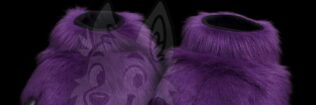
Fursuits represent one of the most captivating and personal aspects of the furry fandom — wearable art that brings a fursona to life through custom craftsmanship, detailed design, and high-quality materials. But for many newcomers and even seasoned members of the community, one question stands out above all others: how much do fursuits actually cost?
In 2025 and into 2026, the answer is far from simple. Prices have evolved with rising material costs, increased labor demands, and growing demand for personalized features. A basic partial suit might start around \$800–\$2,000, while a full custom suit often falls in the \$2,000–\$6,000+ range, with premium or highly complex builds pushing well beyond \$7,000. These figures reflect handcrafted, one-of-a-kind pieces built over weeks or months, not mass-produced items.
This comprehensive guide breaks down current pricing trends, the key factors that drive costs, typical breakdowns by suit type, and practical advice for budgeting your commission. Whether you’re planning your first partial or dreaming of a full immersive suit, understanding these elements helps set realistic expectations and avoid surprises.
Why Fursuits Cost What They Do: The Core Economics
Every fursuit is a bespoke creation — no two are identical, even from the same maker. Unlike off-the-shelf costumes, each piece involves extensive planning, patterning, sewing, sculpting, and finishing. Here’s what contributes to the price:
1. Materials (Typically 20-40% of Total Cost) High-quality faux fur forms the foundation, often costing $20–$65 per yard depending on length, texture, and durability. A full suit might require 6–10 yards or more for complex patterns. Additional supplies include:
- Upholstery foam and polyfill for padding and structure ($50–$200+).
- Resin, silicone, or 3D-printed parts for heads, claws, noses, or teeth ($100–$400).
- Mesh/buckram for visibility, spandex/lycra for liners, zippers, elastic, and hardware ($50–$150).
- Specialty items like cooling fans, removable liners, or UV-reactive elements add $100–$500.
Rising global supply costs in recent years have pushed material prices up 15–30% since pre-2020 levels, especially for premium faux furs that resist matting and fading.
2. Labor and Time Investment (Often 50-70% of Total) Building a fursuit is labor-intensive. A simple head might take 40–80 hours, while a full digitigrade suit can exceed 200–400 hours. This includes:
- Patterning and mockups.
- Foam sculpting and padding.
- Furring (cutting, sewing, and aligning fur patterns).
- Detailing (airbrushing, eyes, teeth, expressions).
- Assembly, fitting adjustments, and testing.
Makers charge based on skill level, experience, and queue demand. Entry-level or newer creators might offer lower rates to build portfolios, while established ones command premiums for reliability and quality.
3. Complexity and Customization Simple designs (1–3 solid colors, minimal markings) stay at the lower end. Complex ones (gradients, asymmetrical patterns, multiple fur types, large markings, or unique anatomy like wings/horns) add significant time and material use.
4. Style and Features
- Plantigrade (human-like legs) vs. digitigrade (padded animal legs) — the latter adds padding complexity and cost.
- Toony (cartoonish) vs. realistic/kemono (anime-inspired) — kemono often features larger eyes and stylized proportions, impacting eye mechanisms and fur shaping.
- Add-ons like movable jaws, follow-me eyes, cooling systems, or exchangeable parts increase prices by $200–$1,000+ each.
5. Overhead and Other Factors Makers cover workspace rent/utilities, tools/maintenance, shipping supplies, payment processing fees (5–10%), and taxes. Rush orders or international shipping add extra.
These elements combine to make fursuits an investment in wearable art rather than a casual purchase.
Price Ranges by Fursuit Type (2025–2026 Estimates)
Prices vary by maker, location, and specifics, but here’s a realistic breakdown based on current community trends and commission data.
Partial Fursuits ($800 – $3,500 average)
- Head + hand paws + tail (sometimes feet paws or sleeves).
- Most affordable entry point for expression without full coverage.
- Basic partial: $800–$2,000.
- Complex (detailed head, multiple colors, extras): $2,000–$3,500.
- Popular for beginners, warm climates, or casual wear.
Full Plantigrade Fursuits ($2,000 – $5,000 average)
- Complete coverage: head, bodysuit, hand/foot paws, tail.
- Human-like legs (lighter, easier to move, better ventilation).
- Simple designs: $2,000–$3,500.
- Moderate complexity: $3,500–$5,000.
- Ideal for extended wear or performances.
Full Digitigrade Fursuits ($3,000 – $7,000+ average)
- Animal-like padded legs for realistic silhouette.
- Extra foam/polyfill and structural work increase labor/materials.
- Basic: $3,000–$4,500.
- Complex (detailed padding, multiple features): $4,500–$7,000+.
- Heavier and warmer but immersive for conventions.
Kemono or Anime-Inspired Styles ($2,500 – $7,000+)
- Large expressive eyes, smooth shapes, cute proportions.
- Often digitigrade; eye mechanisms and stylized fur add cost.
- Can overlap with other types but frequently premium due to detail.
Heads Only ($800 – $2,500)
- Standalone option for partial builds or upgrades.
- Basic head: $800–$1,500.
- Advanced (movable jaw, follow-me eyes): $1,500–$2,500+.
These are broad ranges — a highly detailed digitigrade full suit with extras can exceed $8,000–$10,000 in extreme cases, while simpler pre-made or mini-partials dip below $1,000.
Cost Breakdown Example: A Mid-Range Full Suit
Let’s look at a hypothetical moderate-complexity full plantigrade suit quoted at $3,800 (common midpoint in 2025–2026):
- Materials: $600–$900 (fur, foam, resin, hardware, liners).
- Labor (200–300 hours at effective $10–$20/hour rate after overhead): $2,000–$3,000.
- Overhead/fees/shipping prep: $400–$600.
- Profit margin (for sustainability): $300–$600.
This leaves little room for error — mistakes mean re-buying materials or extra hours.
For a digitigrade version of the same design: Add $800–$1,500 for padding, extra fur/foam, and time.
Additional Costs to Budget For
Beyond the commission:
- Shipping: $50–$300 (international higher).
- Customs/duties (if overseas): 10–30% of value.
- Maintenance: Spot cleaners, brushes, storage bags ($50–$200 initial).
- Upgrades/repairs: $100–$1,000 over time.
- Travel to cons for pickup (if local maker).
Many makers offer payment plans (30–50% deposit, installments), making higher-end suits more accessible.
Tips for Budgeting and Getting the Best Value
- Start small: A partial or head lets you experience fursuiting affordably before committing to full.
- Prioritize quality over speed: Cheaper rushed work often leads to repairs.
- Research thoroughly: Look at galleries, reviews, and queues.
- Communicate clearly: Provide detailed references to avoid revisions (which add cost).
- Consider DIY: For skilled creators, making your own saves money but requires time/tools.
- Save gradually: Many budget over 6–18 months.
Final Thoughts
Fursuits aren’t cheap — they’re investments in self-expression, community, and art. In 2025–2026, expect $800–$3,000 for partials and $2,000–$7,000+ for full suits, driven by materials, labor, and customization. The joy of wearing a suit that perfectly captures your fursona often makes the cost worthwhile for those who pursue it.
If you’re ready to take the next step, focus on what matters most: quality, comfort, and a maker whose style resonates with you. Happy suiting!
🐾 🐾 🐾
✦ Commissions Open ✦Dream It. Fur It. Live It.
Get your custom fursuit, kemono suit, plush, or cosplay — handcrafted just for you. Free quote, no commitment!