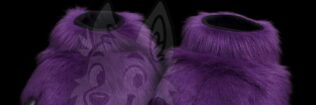
Introduction
Fursuits are custom-made animal costumes inspired by anthropomorphic characters—animals with human traits such as walking upright, expressing emotions, and having distinct personalities. These costumes are most commonly associated with the furry fandom, a global creative community that celebrates art, storytelling, role‑play, and self‑expression through animal characters known as fursonas.
Over the last two decades, fursuits have grown from a niche hobby into a widely recognized form of wearable art. Today, you’ll see fursuits at conventions, charity events, photoshoots, stage performances, social media, and even brand promotions. In this in‑depth guide, we’ll explore what fursuits are, their history, types, materials, costs, and why so many people love them.
What Is a Fursuit?
A fursuit is a full or partial costume that represents an anthropomorphic animal character. The character may be realistic, cartoon‑style, anime‑inspired (kemono), or completely fantastical. Each fursuit is usually based on a personal character design called a fursona, which reflects the wearer’s personality, creativity, or aesthetic preferences.
Fursuits are not mass‑produced costumes. Most are handcrafted, often custom‑made to fit a specific individual. Makers use faux fur, foam, resin, silicone, and advanced sewing techniques to create expressive heads, padded bodies, and detailed accessories.
A Brief History of Fursuits
The concept of anthropomorphic animal characters has existed for thousands of years—ancient myths, folklore, and early animation all featured animal‑human hybrids. However, modern fursuits began appearing in the 1980s and 1990s alongside the rise of the furry fandom in science fiction and comic conventions.
Early fursuits were simple mascot‑style costumes. As the fandom grew, so did craftsmanship. The 2000s introduced more expressive faces, movable jaws, airbrushing, and digitigrade legs. Today, fursuit making is a professional art form, with some suits valued at several thousand dollars.
Types of Fursuits
1. Partial Fursuits
Partial fursuits include:
- Head
- Paws (hand and sometimes feet)
- Tail
These are popular because they’re more affordable, easier to wear, and cooler in warm climates. Many creators pair partials with themed clothing for a casual yet expressive look.
2. Full Fursuits
A full fursuit covers the entire body from head to toe. It often includes:
- Head
- Bodysuit
- Hand paws
- Feet paws
- Tail
Full suits provide complete character immersion and are common at conventions and performances.
3. Plantigrade vs Digitigrade
- Plantigrade suits have human‑like leg shapes and are lighter and cheaper.
- Digitigrade suits mimic animal legs with padding around calves and thighs, creating a more realistic silhouette.
4. Kemono Fursuits
Kemono fursuits are inspired by Japanese anime aesthetics. They feature:
- Large expressive eyes
- Smooth facial shapes
- Cute, stylized proportions
Kemono suits have gained massive popularity, especially in Asia and online communities.
5. Realistic Fursuits
These aim to closely resemble real animals with lifelike proportions, detailed airbrushing, and subtle expressions. They’re often used for film, education, or wildlife representation.
Materials Used in Fursuits
High‑quality fursuits rely on durable and breathable materials:
- Faux Fur: Synthetic fur in various lengths and textures
- Upholstery Foam: Used for sculpting heads and padding
- Resin or 3D‑Printed Bases: For lightweight head structures
- Mesh & Buckram: Allows visibility through the eyes
- Lycra or Spandex: For bodysuit flexibility
- Silicone & Rubber: Used in premium noses, tongues, or paws
Professional makers also integrate cooling fans, removable liners, and hidden zippers for comfort and maintenance.
How Much Do Fursuits Cost?
Fursuit pricing depends on complexity, quality, and maker reputation:
- Partial Fursuit: $800 – $2,000
- Full Plantigrade Fursuit: $2,000 – $4,000
- Full Digitigrade Fursuit: $3,500 – $6,000+
- Kemono or Realistic Styles: Can exceed $7,000
Custom work requires weeks or months of labor, which explains the pricing. Many makers offer payment plans to make commissions more accessible.
Why Do People Wear Fursuits?
Self‑Expression
Fursuits allow individuals to express identity, creativity, and emotion in a unique way.
Performance & Entertainment
Many fursuiters enjoy dancing, acting, and entertaining crowds at events.
Social Connection
The furry fandom is known for its welcoming and inclusive community. Fursuits act as a social bridge, helping people connect more easily.
Charity & Events
Fursuits are frequently used in charity walks, hospital visits, and fundraising events because they attract attention and spread positivity.
Fursuits vs Mascot Costumes
While they may look similar, fursuits differ from mascot costumes:
| Fursuits | Mascot Costumes |
|---|---|
| Custom character‑based | Brand or team‑based |
| Highly detailed & expressive | Simplified designs |
| Part of fandom culture | Commercial use |
Caring for a Fursuit
Proper care extends a fursuit’s lifespan:
- Spot clean after every use
- Air dry completely
- Store in a cool, dry place
- Brush fur regularly
- Deep clean occasionally using gentle detergents
Many modern suits feature machine‑washable liners for hygiene.
Are Fursuits Safe to Wear?
Yes, when worn responsibly. Because fursuits can get warm:
- Take frequent breaks
- Stay hydrated
- Use cooling vests or fans
- Never wear alone in risky environments
Experienced fursuiters follow strict safety guidelines, especially at crowded events.
Common Myths About Fursuits
Myth: Fursuits are only for kids
Reality: Most fursuit owners are adults
Myth: All furries own fursuits
Reality: Only a small percentage do
Myth: Fursuits are cheap costumes
Reality: They are handcrafted art pieces
Conclusion
Fursuits are far more than costumes—they are wearable art, personal identity, and a celebration of creativity. Whether used for fun, performance, social connection, or professional work, fursuits continue to grow in popularity worldwide.
If you’re curious about the furry fandom or considering a custom fursuit, understanding the culture, types, and craftsmanship is the perfect first step.
Want a follow‑up blog on “How to Commission a Fursuit” or “Best Fursuit Makers in 2026”?
How much does a fursuit cost?
A fursuit can cost anywhere from \$800 for a partial suit to over \$6,000 for a high-end custom full fursuit, depending on design and quality.
Are fursuits only for the furry fandom?
While fursuits are most common in the furry fandom, they are also used for performances, mascots, promotions, and artistic projects.
What is a kemono fursuit?
A kemono fursuit is a Japanese-inspired style known for cute expressions, large eyes, and anime-like features.
Is wearing a fursuit safe?
Yes, fursuits are safe when worn responsibly with proper hydration, breaks, and ventilation systems.
🐾 🐾 🐾
✦ Commissions Open ✦Dream It. Fur It. Live It.
Get your custom fursuit, kemono suit, plush, or cosplay — handcrafted just for you. Free quote, no commitment!